
The transition into a new school year is often met with a mix of excitement and apprehension. While some children adapt quickly to the routines and social dynamics of school, others may struggle, displaying signs of anxiety, withdrawal, or behavioral changes. As educators and parents, it’s crucial to recognize that these challenges are not merely phases to outgrow but signals that may point to underlying issues requiring attention and support.
Separation anxiety is common among younger children and can lead to school refusal or emotional outbursts. Academic difficulties may cause frustration or avoidance behaviors, while social struggles can result in isolation or reluctance to attend school. Changes at home—like relocation, divorce, or loss—can disrupt stability, and health concerns, including undiagnosed learning disabilities, may interfere with learning.
Parents and educators play a key role in supporting children through these challenges. Effective strategies include maintaining open communication, collaborating with teachers and counselors, establishing consistent daily routines, encouraging positive peer interactions, and seeking professional support when needed. By recognizing the signs of struggle early and addressing underlying causes, parents and educators can help children feel secure, confident, and engaged.
Understanding school adjustment as a multifaceted process—emotional, social, and cognitive—allows caregivers to provide tailored support and ensure children thrive academically and socially.
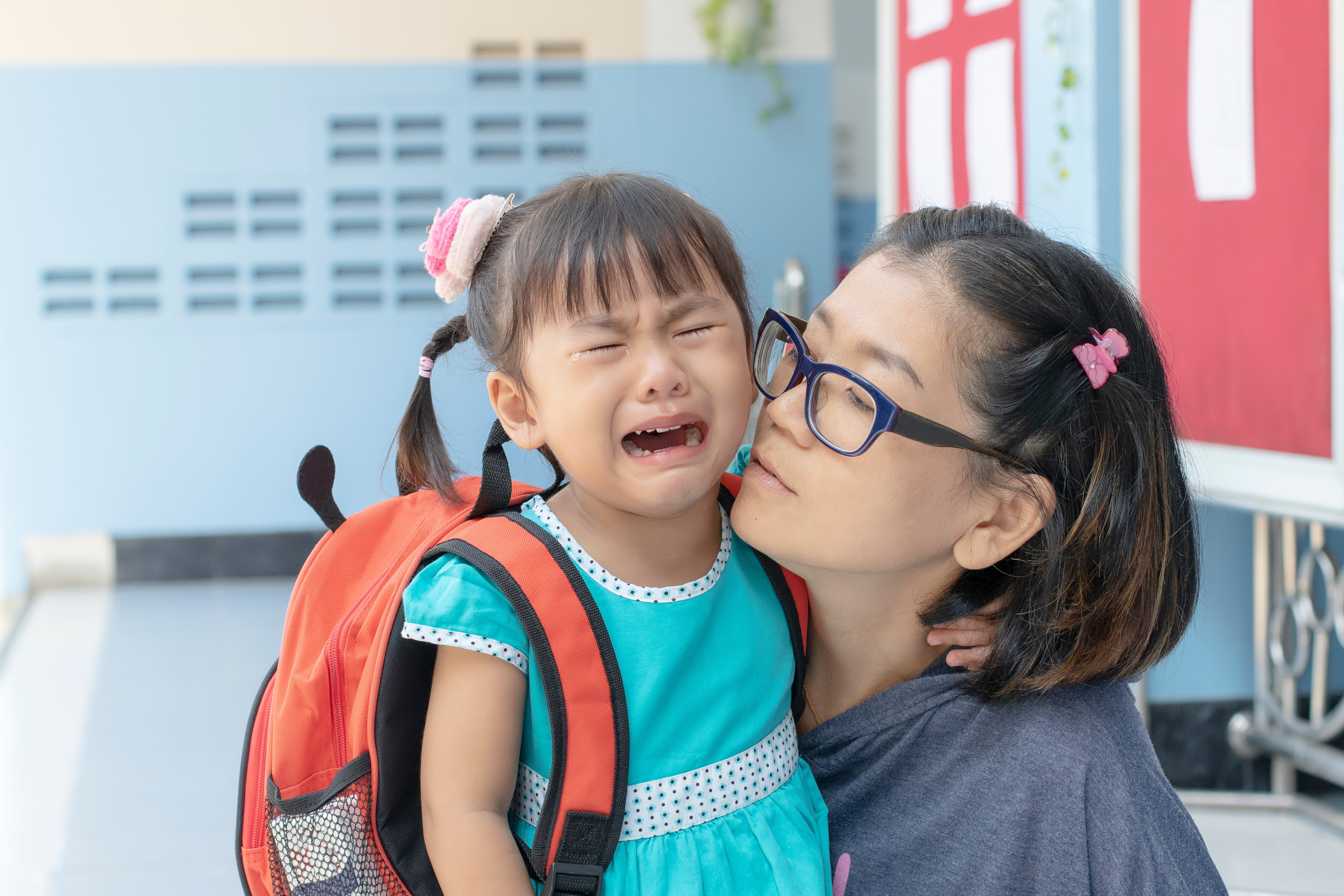
Adjusting To School
Adjusting to school involves more than just adapting to a new schedule; it encompasses emotional, social, and cognitive adjustments. Children may face difficulties due to various factors, including changes in their environment, social dynamics, or personal development stages. Recognizing the signs and understanding the root causes can help in providing the necessary support.
Common Reasons for School Adjustment Difficulties
- Separation Anxiety: Especially prevalent in younger children, separation anxiety manifests as excessive distress when parting from parents or caregivers. This can lead to school refusal, frequent visits to the nurse, or emotional outbursts. Establishing a consistent drop-off routine and offering reassurance can help alleviate these feelings.
- Academic Challenges: Children who struggle academically may feel overwhelmed or frustrated, leading to avoidance behaviors or negative attitudes toward school. Identifying specific areas of difficulty and providing targeted support can boost confidence and engagement.
- Social Difficulties: Challenges in making or maintaining friendships can lead to feelings of isolation and reluctance to attend school. Encouraging social skills development and facilitating positive peer interactions can enhance social integration.
- Changes at Home: Significant life changes, such as divorce, relocation, or the loss of a loved one, can disrupt a child’s sense of stability, affecting their school adjustment. Open communication and emotional support are vital during such transitions.
- Health Issues: Physical health problems or undiagnosed learning disabilities can impede a child’s ability to keep up with school demands. Regular health check-ups and assessments can help identify and address these concerns.
- Bullying or Negative School Environment: Experiences of bullying or a negative school climate can lead to anxiety and reluctance to attend school. Creating a safe and supportive environment is essential for all students.
Strategies for Supporting Your Child
- Open Communication: Maintain regular conversations with your child about their school experiences, validating their feelings and concerns.
- Collaborate with Educators: Work closely with teachers and school counselors to develop strategies tailored to your child’s needs.
- Establish Routines: Consistent daily routines provide a sense of security and predictability for children.
- Encourage Social Interaction: Facilitate opportunities for your child to engage with peers in positive settings.
- Seek Professional Help: If difficulties persist, consider consulting a child psychologist or counselor for additional support.
Conclusion
Understanding the multifaceted nature of school adjustment is crucial in supporting children through this process. By recognizing the signs and implementing appropriate strategies, parents and educators can work together to ensure that every child has the opportunity to thrive in the school environment.
Sources
- A Child Adjusts To School: How Long Does It Take and How to Help Your Child | Find
- Helping students adjust to school – Mayo Clinic Health System
- 4 Signs Your Kid Isn’t Fitting in at School
Recent Posts
Some people are interested in learning more about the signs of parentification. Others want to hear real-life stories to better understand the experience, while some may be looking for their own...
Signs of Childhood Emotional Neglect: My Experience and What I Learned
When people search for the signs of childhood emotional neglect, they are often trying to understand whether their experiences were typical or if something important was missing during their...