
Becoming a parent can completely change your social life. Suddenly, the people you used to see every day might be at work while you are prioritizing nap schedules, snack bags, stroller walks, and trying to figure out where your child left their shoes. Making friends as a parent can feel awkward at first, especially when everyone seems busy or tired. But many parents are quietly looking for connection too. Sometimes friendship starts simply from seeing the same faces over and over again.
Quick Tips:
- Find a routine to connect with the same families
- Carry a card with your number on it for a quick exchange
- Use toys like bubbles or blocks to create a memory
1. Toddler Gyms (Community Center)
Toddler gyms can become one of the easiest places to naturally meet other parents. The biggest reason is routine. Many families attend community center classes at the same time every week, so you begin recognizing familiar faces. Over time, short conversations during free play can slowly turn into real friendships.
Children often start interacting before adults do. One child hands another a toy, they run together through the foam obstacle course, and suddenly the parents are standing next to each other talking about sleep schedules or favorite parks.
Another thing that makes toddler gyms helpful is how connected family activities can become. Families who attend these spaces are often seeing the same advertisements for local events, seasonal festivals, library storytimes, or neighborhood activities. You may naturally run into the same people again at community events, which helps friendships feel more organic and less forced.
2. Local Libraries
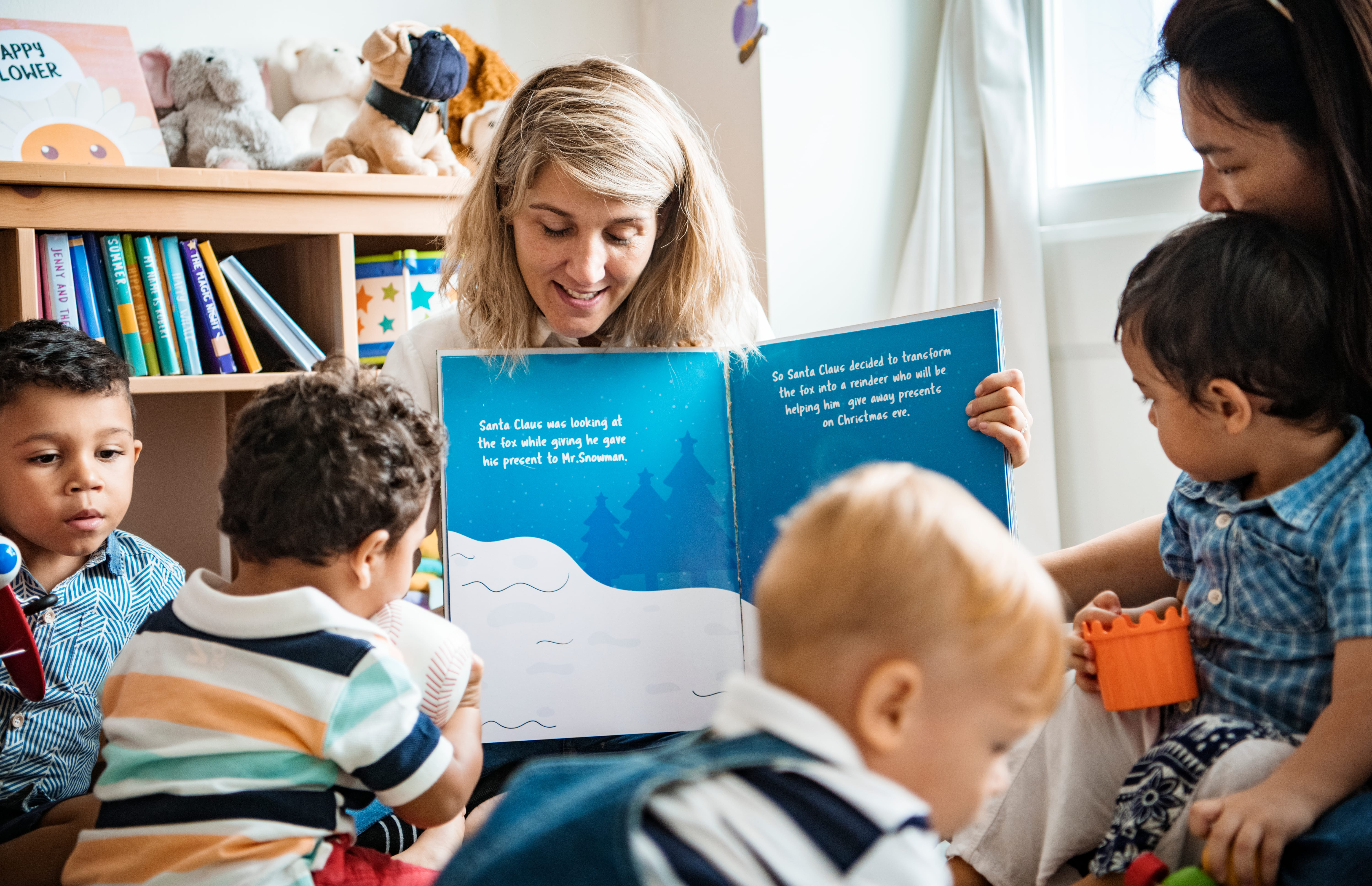
Libraries are one of the most underrated places for parents to make friends. Storytime creates consistency, and children often become excited to see familiar faces each week. Parents may also discover they have similar parenting styles, interests, or routines.
Libraries can feel lower pressure than some organized activities because there is space to casually interact without expectations. Sometimes you realize you keep seeing the same family from the toddler gym or local playground. Those repeated encounters slowly build comfort.
Libraries also tend to attract families looking for affordable, community-oriented activities, which can create a welcoming environment for connection.
3. Neighborhood Strolls
Going for walks around the neighborhood sounds simple, but it can genuinely lead to friendships over time. Children naturally notice each other first. Maybe you hear kids laughing outside, see another family pushing a stroller, or pass parents helping their child ride a bike.
The more often you walk around your neighborhood, the more familiar you become to the people nearby. Familiarity matters. Even a small wave each day can eventually turn into conversations.
Neighborhood walks also help parents feel more connected to the place they live. Instead of feeling isolated inside the house, you begin noticing the rhythms of your community and the families who share them.
4. Nextdoor
Nextdoor may be a good option for neighborhoods that are on this website. People post things relavant to their neighborhood.
For neighborhoods that actively use Nextdoor, it can be surprisingly useful for meeting other families nearby. People often post about neighborhood events, local concerns, lost items, family activities, or recommendations for parks and kid-friendly spaces.
It can also help parents discover events they would not have known about otherwise. Sometimes seeing familiar names online makes it easier to start conversations in person later because there is already a small sense of familiarity.
5. Hosting
One of the hardest parts of making friends is waiting for someone else to create the opportunity. Hosting something yourself can completely change that dynamic.
It does not need to be elaborate. A neighborhood BBQ, a park meetup, a dance party for kids, or a simple weekend playdate can bring people together. Creating a small flyer, posting in neighborhood groups, or inviting a few families can help build community surprisingly quickly.
Many people are waiting for someone else to make the first move. Hosting gives people permission to connect.
6. Homeschool Email Lists
Email lists are a great way to see where events are taking place. Families see the same faces and find activities in the community. Find one used in your neighborhood or community to sign up for the information and be part of the wealth of resources. You may even provide the information one day!
Even families who are not fully homeschooling sometimes join homeschool email lists or local community groups because they often share information about family-friendly events.
These groups frequently organize:
- Park days
- Museum trips
- Nature walks
- Spiritual gatherings
- Craft activities
- Seasonal celebrations
- Camps
- Clubs
Because families attend repeatedly, children and parents begin recognizing each other. Routine creates comfort, and comfort helps friendships grow naturally over time.
7. Parent-and-Baby Courses
Parent-and-baby classes can be especially meaningful during the early stages of parenting when isolation can feel strongest. It might be a postpartum meetup that started through local midwives or through a hospital. Or it could be a specific class for parents and babies.
Whether it is infant music, baby yoga, swim lessons, or sensory play, these classes gather people going through similar experiences at the same time.
There is often an immediate sense of understanding between parents who are equally exhausted, overwhelmed, or adjusting to new routines. Sometimes simply hearing another parent say, “We are struggling with sleep too,” can open the door to connection.
8. Social Media Support Groups
Online parenting groups can become real sources of support, especially for parents who feel isolated, overwhelmed, or new to an area. Local parenting Facebook groups and other online communities often share recommendations, gently-used baby items, events, emotional support, and opportunities to meet in person.
Some online friendships eventually become park meetups, coffee dates, or long-term friendships. Even when they stay online, support groups can remind parents they are not navigating everything alone.
Conclusion
Friendships start small and are relevant to a family’s schedule. Many parent friendships do not begin dramatically. They start with repeated small moments:
- Sitting next to someone at storytime
- Seeing the same stroller on evening walks
- Talking while children play in the sandbox
- Running into the same family at multiple events
For many parents, friendship grows slowly through routine, familiarity, and shared experiences. Sometimes the most important thing is simply continuing to show up.
Recent Posts
Some people are interested in learning more about the signs of parentification. Others want to hear real-life stories to better understand the experience, while some may be looking for their own...
Signs of Childhood Emotional Neglect: My Experience and What I Learned
When people search for the signs of childhood emotional neglect, they are often trying to understand whether their experiences were typical or if something important was missing during their...