
Moms don’t harm their children by working — research shows children of working moms do just as well and even gain advantages. Whether you work outside the home or stay in full-time, the guilt shows up regardless. Typically, guilt arises from different reasons rooted in outdated norms and internal pressure, not reality. Guilt doesn’t mean failure; it doesn’t mean you are doing anything wrong! It shows you care about how you show up for your children.
Both working moms and stay-at-home moms experience guilt, but for different reasons. Working moms often feel torn between career responsibilities and being fully present for their children. Stay-at-home moms, on the other hand, may feel guilty about losing parts of their identity, not contributing financially, or not being productive enough at home.
Mom guilt doesn’t discriminate. Both groups face pressure from internal expectations, societal norms, and comparisons to other moms. Whether you’re a working mom rushing between meetings and soccer practice, or a stay-at-home mom juggling meals, laundry, and emotional check-ins, that nagging feeling shows up anyway. Modern motherhood comes with impossible expectations, and no mom is immune.
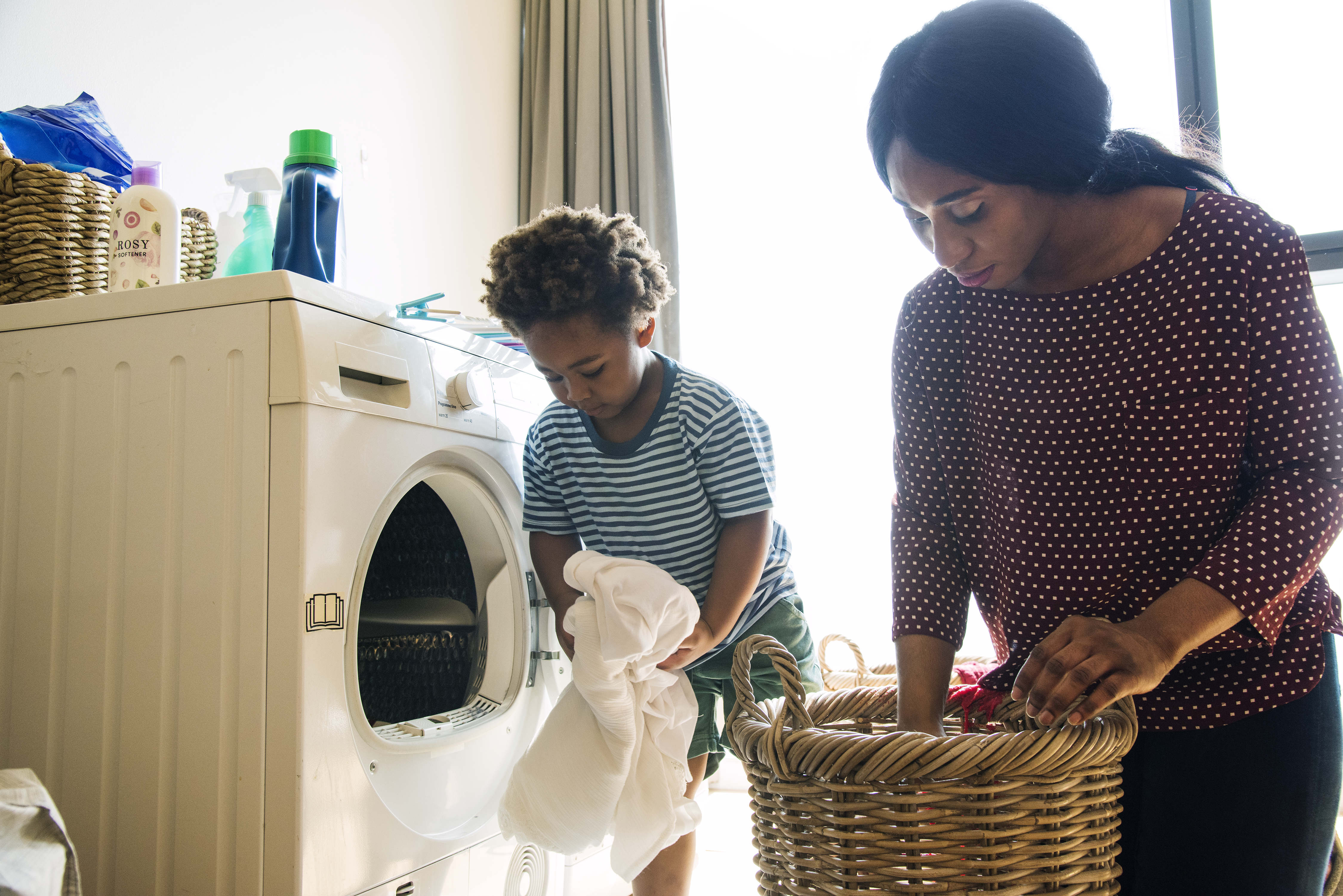
Which is Harder?
Listen, I have done both. No one can say with certainty one is harder than the other. The truth is, both roles come with their own invisible weight. Working moms juggle deadlines, commutes, and the constant fear they’re missing too much. Stay-at-home moms carry the pressure of being “on” all day, managing endless emotional and household labor with no clock-out time. One isn’t harder than the other — they’re just hard in different ways. And the guilt is constant with both, because motherhood today is built on impossible expectations, not on how much a mom loves her kids.
Are Stay-at-home Moms Happier?
Happiness and well-being depend more on support systems, alignment with personal preferences, workload balance, and decision-making power than simply on job status alone.
Stay-at-home moms (SAHMs) aren’t automatically happier—being home full-time can be deeply fulfilling for some and incredibly isolating for others. Studies show that happiness has less to do with whether a mom stays home or works and more to do with support, mental load, financial pressure, and how much control she has over the decision. Many SAHMs enjoy slower mornings, more time with their kids, and fewer work-related stressors, but they also report higher levels of loneliness and emotional exhaustion when the entire household’s needs fall on them. In the same way, working moms may feel stretched thin by schedules and guilt, yet experience higher life satisfaction when their job brings meaning, identity, and connection. In the end, happiness isn’t about the role—it’s about whether a mother’s life aligns with her needs, values, and resources.
What the Research Says
A study from Arizona State University found that mothers whose employment status matched their personal preference (wanting to work vs. wanting to stay home) reported better well-being and less distress than those whose situation didn’t align with what they wanted — suggesting that control over the decision and emotional support matter for happiness beyond job status alone.
A Pew Research Center analysis shows that employment status itself isn’t a strong predictor of happiness once other factors, such as marital status, balance, and time with children, are considered. This means that whether a mom works or stays home doesn’t automatically dictate overall happiness.
Research on the mental load (the invisible planning and organizing work most mothers carry) highlights how this burden contributes to stress and burnout regardless of job status, and can influence overall well-being.
Why Working Moms Feel Guilty
Working moms often feel guilty because they’re caught between competing expectations: to be fully devoted to their children and also to maintain a career, financial stability, or personal identity. Society still sends the message that “good moms stay home,” even though modern families rely on dual incomes and many women genuinely enjoy their work. This creates a constant internal conflict—if they’re at work, they feel like they should be home; if they’re home, they feel like they’re falling behind at work.
On top of that, working moms face emotional pressure from missing important milestones, limited time for school events, packed schedules, and the fear that choosing work might negatively affect their children (even though research repeatedly shows kids of working moms do just as well). Add in social media highlight reels, judgment from others, and the mental load of managing most household and childcare responsibilities, and guilt becomes almost automatic. It’s not that working moms are doing something wrong; it’s that the expectations placed on them are impossible.
Reasons Working Moms Feel Guilty
- The belief that they should stay home with their kids.
- The message that “good moms” stay home.
- Pressure to keep the house clean, have meals prepped, and manage the household flawlessly.
- Constant comparisons to traditional homemaker roles portrayed on social media.
- The expectation that any “free time” should be spent with their children.
- Time spent sleeping, recovering, or doing chores.
- Still needing to work from home or finish job tasks even when physically present with the family.
- Not always being able to attend school events, daytime activities, or appointments.
- Worrying about whether they’re emotionally attuned to their children despite a busy schedule.
- Earning more money than their partner can clash with outdated norms about motherhood.
- Feeling guilty for breaking their own earlier beliefs, such as “When I become a mom, I won’t do XYZ.”
Why Stay-at-home Moms Feel Guilty
Stay-at-home moms often feel guilty for reasons that mirror those of working moms but differ from them. Society still values paid work and independence, which can make SAHMs worry that they’re “not contributing enough” financially. They may feel pressure to be constantly productive at home; keeping the house spotless, cooking, organizing schedules, and managing their children’s enrichment, while also being emotionally available 24/7.
SAHMs can feel isolated, lonely, or frustrated when their identity feels limited to caregiving, which can fuel guilt and self-doubt. They may miss adult interaction, career ambitions, or personal projects, leading them to feel selfish for wanting “time off” or frustrated for feeling unfulfilled. Even when fully present with their kids, SAHMs can worry they aren’t doing enough to provide social, educational, or emotional growth.
Ultimately, guilt for SAHMs often stems from impossible expectations, both internal and societal: the pressure to be the perfect mother, housekeeper, and emotional anchor all at once.
Reasons SAHMs Feel Guilty
- Feeling they might need to make money to support the household.
- Pressure to spend time with their children when their partner isn’t available.
- Responsibility for dictating house rules and maintaining household order.
- Expectation to manage everything at their own pace while staying productive.
- Experiencing a loss of personal identity outside of motherhood.
- Guilt when taking breaks or leaving responsibilities, even for small moments of freedom.
- Worry about social isolation or limited adult relationships.
- Pressure to practice hobbies or maintain interests while also fulfilling caregiving duties.
- Having more free time than their partner, which can feel like wasted potential or responsibility.
- Feeling obligated to prioritize household tasks and childcare over personal desires.
- Comparing themselves to other SAHMs.
- Anxiety about spending money when they don’t personally earn an income.
Symptoms of Parental Burnout
Burnout can creep in slowly and affect every part of life. Physically, it shows up as chronic fatigue, headaches, or sleep problems. Emotionally, you may feel overwhelmed, irritable, or disconnected from your family. Cognitively, concentration suffers, and you might struggle with memory or decision-making. Behaviorally, burnout can lead to withdrawing from social life, neglecting self-care, or relying on unhealthy coping habits. For parents, especially moms, it often shows as feeling constantly drained from caregiving, losing patience with children, and questioning whether you’re doing enough.
Combating burnout starts with giving yourself permission to slow down and prioritize your needs. Small, intentional breaks, like a quiet cup of tea, a short walk, or a few minutes of mindful breathing, can make a big difference. Setting boundaries around work, household tasks, and digital distractions helps protect your energy. Lean on your support network, whether that’s a partner, friends, family, or parenting groups, and don’t hesitate to ask for help. Engaging in activities that recharge you (hobbies, exercise, or simply uninterrupted rest) reminds your mind and body that self-care isn’t selfish, it’s essential. Over time, these small practices can create pockets of calm and restore a sense of balance in your life.
Conclusion
No matter which you relate to, both parenting roles come with unique joys, challenges, and sources of guilt. Working moms juggle career demands and family expectations, while stay-at-home moms navigate constant caregiving, household responsibilities, and identity shifts. Guilt shows up regardless of the path chosen, because modern motherhood is loaded with impossible standards and societal pressures. What truly matters is finding a rhythm that aligns with your values, seeking support when needed, and remembering that taking care of yourself isn’t optional—it’s essential. Every mom’s journey is valid, and happiness isn’t about the label; it’s about balance, intention, and self-compassion.
Sources
- Parenting Guilt — Why, How, What to Do – Mission Momplex
- Why Working Moms Shouldn’t Feel Guilty For Pursuing A Career – Work It Daily
- Mom Guilt Explained: Why Modern Moms Feel Overwhelmed – Mission Momplex
- To work or not to work: Mom’s happiness rests on what she wants | ASU News
- Pew Research Article
- Moms Carry 71% of the Mental Load – Neuroscience News
- 5 Solutions for Parental Burnout — Micro-peace – Mission Momplex
- How to Overcome Feeling Mom Guilt Over Screen Time – Mission Momplex
Recent Posts
Starting a Business While Welcoming a New Baby: Finding Your Balance in the Chaos
We’re excited to feature today’s guest post from Josh Moore of Diaper Dads! Josh started Diaper Dads because he knows parenting is a learning curve—and sometimes you just need a little backup...
We created this list of family-friendly restaurants in South Seattle to help our neighbors and readers discover some of the best local spots in our area. Each restaurant was carefully chosen for its...