
We are excited for another article contribution from Diaper Dads! Josh started Diaper Dads because parenting is always shifting —and sometimes you need support. Whether you are in the poopy trenches, at a toddler gym, or at the store, Diaper Dads is there to give you the advice you need.
Busy parents juggling work, school schedules, and tight budgets know how easy it is to default to instant replacement culture when something breaks. The tension is real: quick swaps save time today, but they quietly teach children that everyday things and the effort behind them are disposable. In a world built to make replacing feel normal, parents teaching children even small habits of care help shape children’s values around responsibility and respect for what they own. Choosing repair culture at home is less about saving a few dollars and more about building a sustainability mindset that sticks.
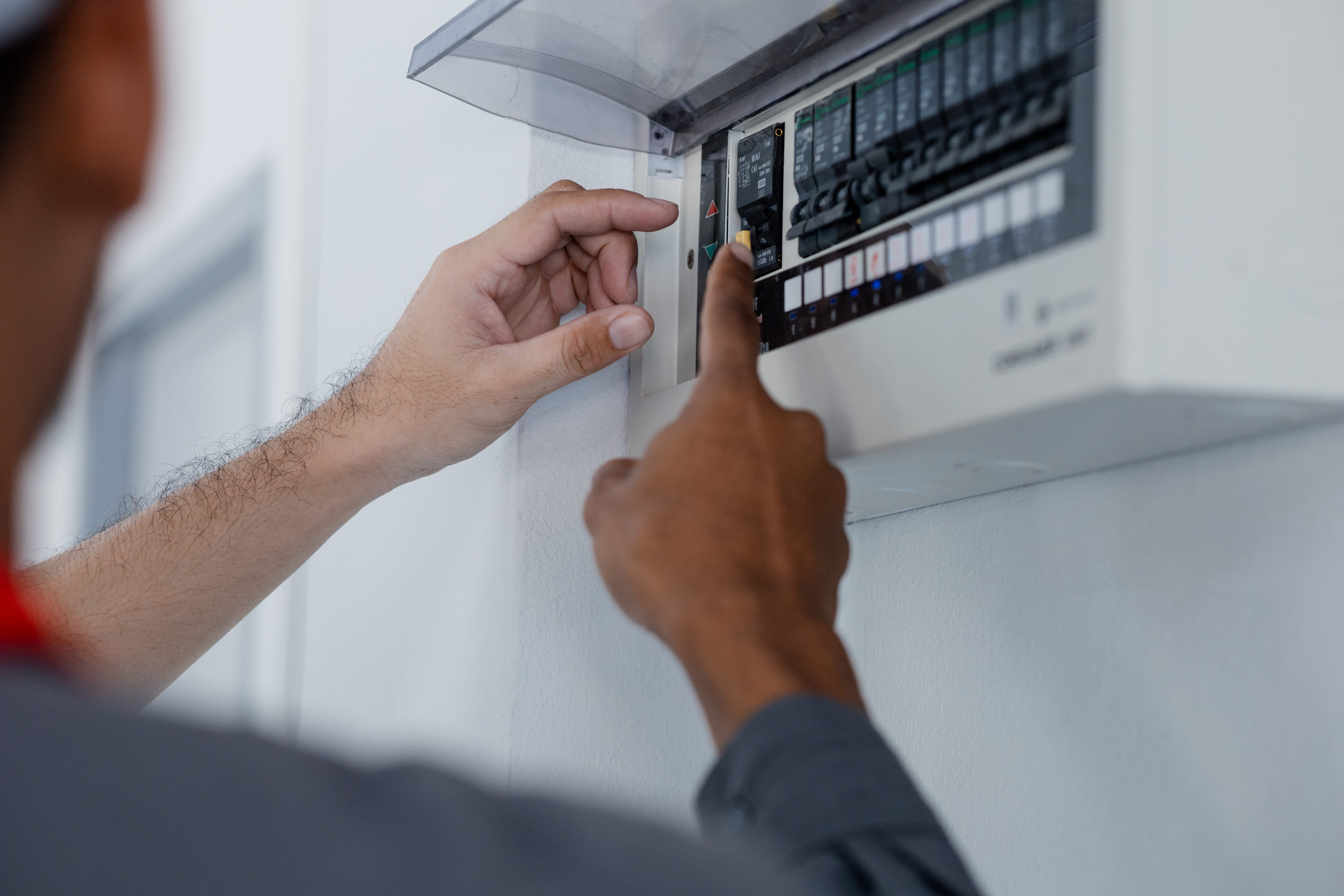
Understanding Hands-On Repair Skills for Kids
Hands-on repair and maintenance skills are the small, real-world habits that keep everyday items working, like tightening, cleaning, checking, and replacing a part. When kids help with these fixes, they learn to slow down, notice what changed, and try one step at a time instead of giving up.
This matters because patience and problem-solving grow through practice, not pep talks. A home that treats breakdowns like puzzles helps kids build resourcefulness, and it often saves money and stress over time. The logic mirrors continuous improvement thinking, where 1 in 3 improvements has a financial impact.
Imagine a wobbly chair, a loose screw, and a child holding the flashlight while you test what tightens it. They see that progress comes from small checks, and that a simple fix can beat a replacement. That mindset clicks fastest with simple, safe maintenance steps like vents, air filters, and smart part swaps.
Make HVAC Upkeep a Kid-Friendly Lesson in Preventive Care
Once kids see how small fixes keep everyday things running, your home’s HVAC system becomes a perfect lesson in preventive care. Invite children into simple, safe tasks like helping you change the air filter, wiping down vent covers, or holding the flashlight while you check for dust buildup. You can also let them sit with you while you schedule seasonal maintenance, so they connect routine upkeep with comfort at home, and with avoiding bigger, more expensive problems later. When a component does wear out, it’s a helpful chance to explain that swapping a single part can be smarter than replacing an entire system. If you do need to order HVAC parts and replacements, choose reputable suppliers so you’re getting quality items that will last and fit correctly.
Weekly Fix-It Habits Kids Can Actually Keep
Small, regular routines teach kids that care is proactive, not panic-driven. Over time, these habits build confidence, patience, and practical know-how while keeping your household running with fewer surprise costs.
Five-Minute Home Scan
- What it is: Walk one room together, spotting wobbles, drips, rattles, and scuffs.
- How often: Weekly
- Why it helps: Kids learn to notice small problems before they become stressful repairs.
Tool Reset and Return
- What it is: Put tools back, wipe them clean, and store them in one labeled spot.
- How often: After each use
- Why it helps: Caring for equipment teaches responsibility and prevents lost, unsafe clutter.
One Tiny Repair Together
- What it is: Pick one quick task like tightening a screw or fixing a sticky drawer.
- How often: Weekly
- Why it helps: Repetition builds skill and shows progress without overwhelming anyone.
Parts and Costs Talk
- What it is: Review receipts and discuss unexpected home repairs in simple, kid-friendly terms.
- How often: Per repair
- Why it helps: Kids connect prevention with budgeting and smarter choices.
Your Weekly Fix and Care Checklist
A short checklist turns good intentions into visible progress, especially on busy weeks. Posting a chore chart or checklist helps kids remember steps and feel proud of what they can handle.
✔ Choose one age-fit task for each child
✔ Set a 10-minute timer for repair practice
✔ Confirm safety rules and proper tool handling
✔ Label a “parts cup” for screws, clips, and washers
✔ Inspect one high-use item for loosening or leaks
✔ Record what you fixed and what to watch
✔ Store tools clean, dry, and in one home spot
Check off two items today, and you are already building lasting skills.
Building Frugal, Sustainable Kids Through Everyday Repair Habits
It’s easy for kids to absorb a throwaway culture, replace what breaks, buy on impulse, and move on. The fix-and-care mindset flips that script by treating upkeep as a normal part of family life, not a special project. Over time, those small routines shape long-term sustainability attitudes, a reducing waste mindset, and responsible spending habits that turn into lifelong maintenance values and stronger environmental consciousness in children. Repairing teaches kids that resources, and money, deserve respect. Choose one item this week to repair or care for together, even if it’s just a quick clean and check. Those shared habits build resilience and steadier choices that last well beyond childhood.
Recent Posts
Some people are interested in learning more about the signs of parentification. Others want to hear real-life stories to better understand the experience, while some may be looking for their own...
Signs of Childhood Emotional Neglect: My Experience and What I Learned
When people search for the signs of childhood emotional neglect, they are often trying to understand whether their experiences were typical or if something important was missing during their...