
Many parents want their children to grow up kind, thoughtful, and aware of others’ feelings—but teaching empathy can feel abstract or challenging. What if everyday household chores could help children practice empathy in a natural, practical way? Chores aren’t just tasks to complete; they are opportunities for children to understand the needs of others, contribute to the family, and see the impact of their actions.
By framing chores as acts of caring, encouraging perspective-taking, modeling empathetic behavior, and then reflecting on the outcomes, parents can transform simple responsibilities like washing dishes or tidying a room into powerful lessons in empathy.
This guide provides a step-by-step approach, with practical tips, reflection prompts, and discussion questions for parents to use before, during, or after chores—turning everyday household routines into opportunities for emotional growth and connection. Research suggests that participating in household chores not only helps the family run smoothly but can also support children’s physical activity, emotional well-being, and sense of responsibility. With small, intentional questions and collaborative approaches, kids learn that their efforts matter and that helping others is both meaningful and rewarding.
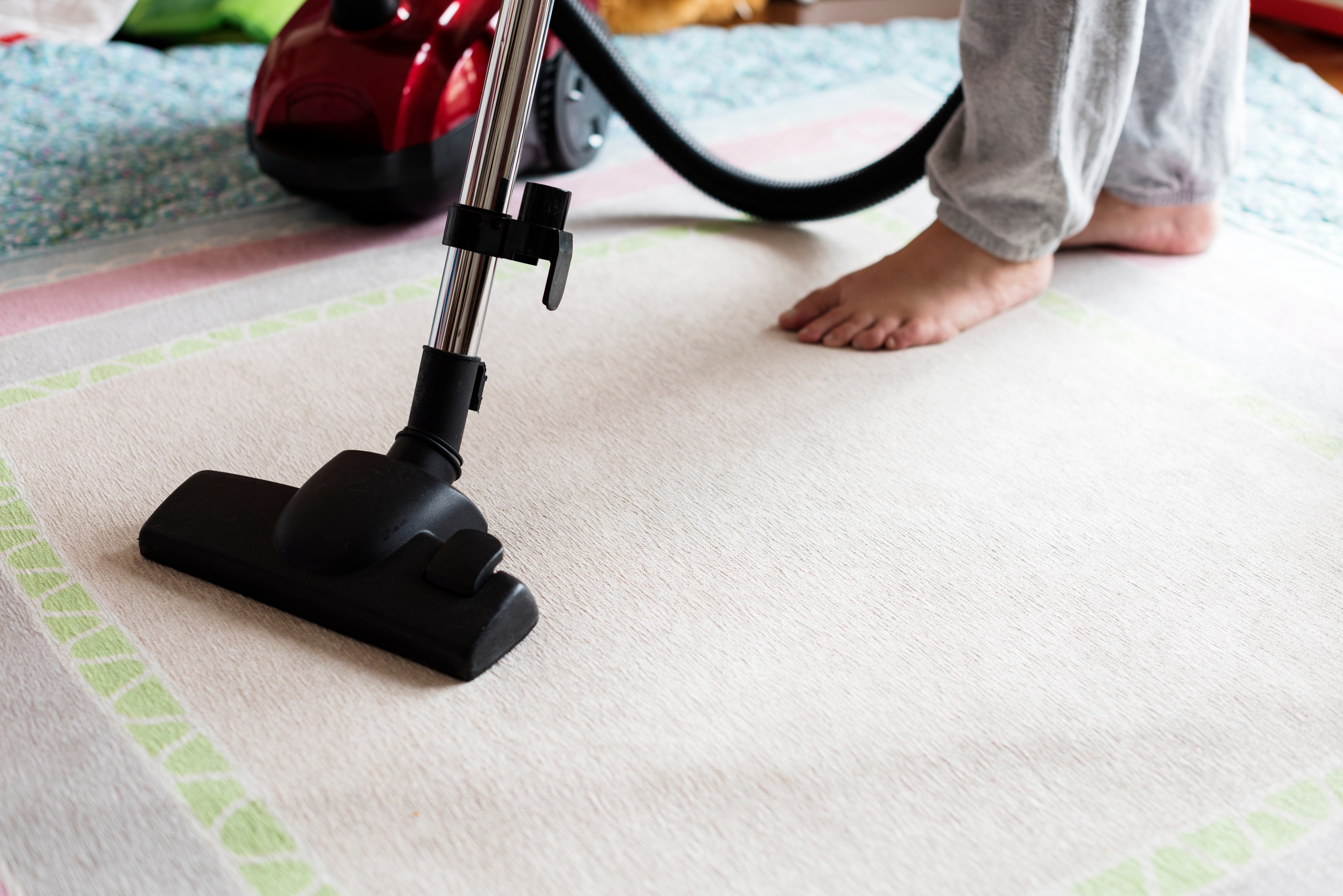
1. Chores as Acts of Caring
Explain the “why” behind chores instead of just giving instructions. For example: “Washing dishes makes sure everyone has a clean plate to eat on.” This shifts chores from being a boring obligation to an opportunity to care for others.
Why it matters:
When kids understand the purpose behind a task, they start to see it as meaningful. They begin to recognize that their efforts directly affect the comfort and happiness of others. Over time, this mindset helps them take initiative, thinking, “What can I do to make someone’s day easier or better?” rather than just completing tasks because they are told to.
Relatable Tasks: Folding laundry, making beds, or putting away groceries.
Parent prompts:
- “Who will this help today?”
- “I do this because I care about you.”
- “How would it feel if no one did this chore?”
- “What could we do to make this easier for our neighbor?”
2. Encourage Perspective-Taking
Ask questions that prompt children to consider how others feel: “How would you feel if nobody helped clean up after dinner?” or “How do you think your sibling feels when you make your bed and tidy your toys?” This builds awareness of others’ experiences.
Why it matters:
Perspective-taking allows children to step outside of their own needs and notice the feelings of those around them. By verbalizing these thoughts, they practice empathy in a safe and structured way. This can gradually carry over to other areas of life, like sharing, cooperating in school, and responding kindly to friends or siblings.
Relatable Tasks: Wiping a younger sibling’s high chair after meals, taking out the neighbor’s trash, or sorting old recycling at school.
Parent prompts:
- “How do you think your sibling feels when you do this?”
- “If the roles were reversed, how would you want to be helped?”
- “Can you imagine how Mom or Dad feels when the kitchen is clean?”
3. Model Empathetic Behavior
Show children how to do chores with care and a positive attitude. Narrate your thought process: “I’m vacuuming the living room because I want Mom to feel relaxed when she comes home.” Children learn not just what to do, but why it matters.
Why it matters:
Kids learn a lot through observation. When they see adults approaching household tasks with empathy and thoughtfulness, they internalize the connection between action and intention. It reinforces the idea that chores aren’t just about cleanliness—they’re about caring for people and the shared spaces that everyone uses.
Relatable Tasks: Getting a peer’s coat, cleaning someone else’s toys, refilling a water bottle.
Parent prompts:
- “I’m doing this because it helps everyone.”
- “What could you do to help someone?”
- “Do you notice how helping makes the space nicer for others?”
- “What else could we do to make someone’s day easier?”
4. Make It Collaborative
Work on chores together or pair older kids with younger siblings. Encourage helping each other rather than just finishing tasks individually. Highlight moments of cooperation: “I noticed you helped your brother put away the dishes. How do you think that made him feel?”
Why it matters:
Collaboration builds social and emotional skills alongside practical ones. By working together, children experience the satisfaction of contributing to a shared goal and see firsthand how their efforts impact someone else. It also strengthens family bonds and teaches them that empathy often involves teamwork and mutual support.
Relatable Tasks: Sweeping floors together, tidying the living room, or watering houseplants.
Parent prompts:
- “Who can you help while we clean together?”
- “It is my favorite chore when we do it together.”
- “How do you feel when someone helps you?”
- “Can we think of a way to make this easier for everyone?”
5. Highlight the Impact
Show children the results of their work and how it benefits others. For example, after cleaning a room, say: “Look how happy everyone feels when the space is clean!” This links effort to a positive outcome.
Why it matters:
Seeing the tangible effects of their actions reinforces the importance of helping others. Kids learn that their contributions matter and that even small chores can have a meaningful impact on the household. This strengthens their sense of responsibility and encourages continued acts of kindness.
Relatable Tasks: Vacuuming the living room, cleaning a dirty sink, or clearing clutter from shared spaces.
Parent prompts:
- “Look at the huge difference!”
- “How do you think everyone feels?”
- “Which part of this chore helps people the most?”
- “How does it feel to see your work make a difference?”
6. Include Reflection
After chores, have a short discussion: “Which chore do you think helped someone the most today?” or “How did it feel to help out?” Reflection helps children internalize the empathetic connection between their actions and others’ well-being.
Why it matters:
Reflection is key to turning action into learning. By talking about how chores affect others, children begin to develop self-awareness and empathy. This practice encourages them to think critically about the needs of those around them and to make conscious, thoughtful choices in the future.
Relatable Tasks: Cleaning trash out of the car, getting food out of the refrigerator for dinner prep, or washing sticky windows.
Parent prompts:
- “Which chore did you enjoy the most?”
- “What did you notice about how others reacted when you helped?”
- “Next time, what could you do differently to help even more?”
- “How did they respond to your generosity?”
7. Reward Thoughtfulness
Praise efforts that show care or consideration, not just finishing the chore quickly. For example: “I like how you stacked the plates carefully so they don’t break. That was thoughtful.”
Why it matters:
Recognizing thoughtfulness reinforces the value of empathy over efficiency. Kids learn that attention to others’ needs is just as important as completing tasks. This approach nurtures a habit of intentional kindness and encourages them to be mindful of how their actions affect others.
Relatable Tasks: Putting away clean dishes, sweeping, dusting furniture, or organizing a messy drawer.
Parent prompts:
- “I noticed you were careful with that.”
- “Your effort is important.”
- “How was that experience for you?”
- “What’s another way we can show we are careful?”
8. Gradually Increase Responsibility
Older kids can take on tasks that directly help others, like meal prep, laundry, or caring for pets. As responsibilities grow, empathy develops because they see themselves as contributors to the household’s well-being.
Why it matters:
Gradual responsibility empowers children and strengthens their sense of purpose. When they recognize that others rely on them, it fosters accountability, pride, and empathy. They learn that their contributions are meaningful, which not only improves family life but also helps them carry these values into friendships, school, and future work.
Relatable Tasks: Preparing a lunch box, setting the table, taking pet for a walk.
Parent prompts:
- “How does it feel to know people rely on you?”
- “What’s one thing you can try next week?”
- “Which chores can you do independently now?”
Conclusion
Household chores are more than routine tasks—they are powerful opportunities to teach children empathy, responsibility, and care for others. By framing chores as acts of kindness, modeling thoughtful behavior, reflecting on impact, and gradually giving children more responsibility, parents can transform everyday activities into meaningful lessons about the real-world effects of their actions.
When children see how their efforts help siblings, parents, or the household as a whole, they learn that empathy isn’t just a feeling—it’s something you do. Over time, these small, consistent experiences help children develop emotional awareness, cooperation, and a sense of pride in contributing to the well-being of others, skills that will serve them for a lifetime.
Sources
- Journal of Developmental & Behavioral Pediatrics
- How To Help Kids Organize Their Toys – Mission Momplex
- The everyday tasks that make responsible and caring kids — Making Caring Common
- Research Shows That Household Chores Benefit Children’s Executive Func – Mental Health Center Kids
- Harvard: Key to Happy, Successful Kids? Chores. — Upper Valley Waldorf School
- Storage ideas for kids– products, practices, organization – Mission Momplex
- Want to Raise More Successful (and Happier) Kids? Harvard Research Says Give Them More Chores
Recent Posts
Starting a Business While Welcoming a New Baby: Finding Your Balance in the Chaos
We’re excited to feature today’s guest post from Josh Moore of Diaper Dads! Josh started Diaper Dads because he knows parenting is a learning curve—and sometimes you just need a little backup...
We created this list of family-friendly restaurants in South Seattle to help our neighbors and readers discover some of the best local spots in our area. Each restaurant was carefully chosen for its...