
Each year on December 6 (or December 19 in some Eastern Orthodox traditions), families and communities around the world celebrate St. Nicholas Day. Rooted in history, faith, and folklore, this holiday honors St. Nicholas of Myra, a 4th-century bishop remembered for his generosity, compassion, and care for children and people in need.
Unlike the more commercialized traditions of Christmas, St. Nicholas Day tends to focus on small gestures, kindness, and reflection, making it a meaningful tradition for families, classrooms, and communities alike.
This post explores the rich history and meaningful traditions of St. Nicholas Day in many parts of the world, as well as ways to incorporate these traditions into everyday life. We explore common customs and the emphasis on kindness and thoughtful giving. Readers are guided through how different countries celebrate the holiday, from Germany and the Netherlands to Poland, the Czech Republic, and Eastern Orthodox nations, showcasing regional variations in rituals, foods, and symbolic figures. The post also addresses modern adaptations for families and classrooms, emphasizing ways to celebrate that focus on connection, empathy, and meaningful acts of generosity.
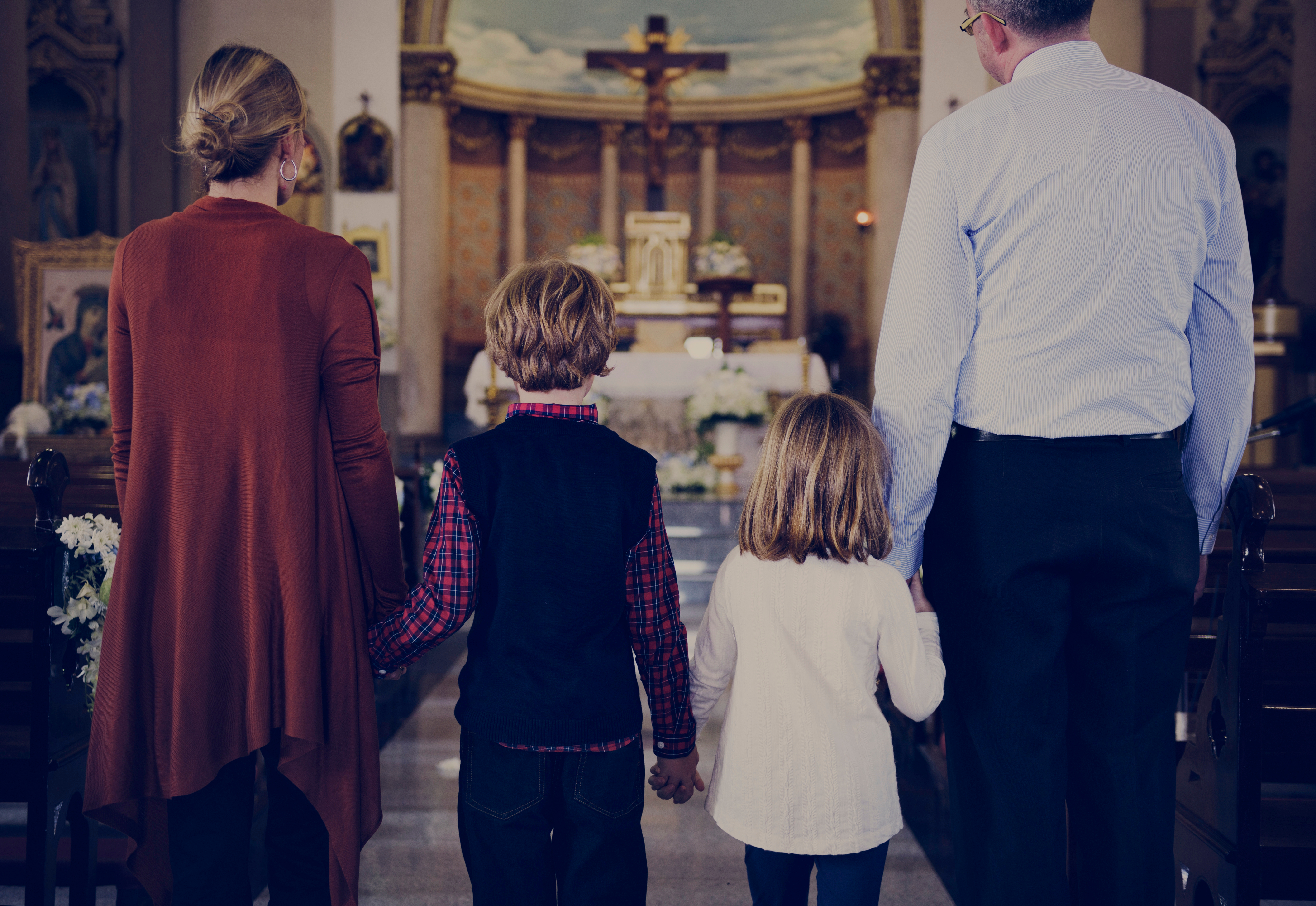
Who Was St. Nicholas?
St. Nicholas was a real historical figure who lived in what is now modern-day Turkey. Legends tell of him secretly giving gold to families in poverty, protecting children, and advocating for justice. Over centuries, his story spread throughout Europe and eventually inspired the modern image of Santa Claus—though many St. Nicholas traditions remain quieter and more values-based.
Common St. Nicholas Day Traditions
St. Nicholas Day traditions typically involve small acts of charity that symbolize his generosity.
Across cultures, several customs appear again and again:
- Shoes/boots: Leaving shoes or boots out overnight to be filled with small gifts
- Surprises: Modest treats, such as candy, nuts, fruit, or chocolate coins
- Kind Messages: Notes or letters encouraging kindness and good behavior
- Discouraging Poor Behavior: A twig or lump of coal (though less common)
- Baking/feasting: Family gatherings to share experiences
- Neighborhood Visits: People dress as St. Nicholas, visit homes, and deliver treats or gifts
- Selflessness: An emphasis on giving to others, not just receiving
These traditions reflect the belief that generosity should be thoughtful, humble, and rooted in care for the community.
St. Nicholas Day Around the World
Germany, Austria, and Switzerland
Children clean and place their boots or shoes outside their bedroom doors on the night of December 5. Overnight, St. Nicholas is believed to fill the shoes with small gifts, sweets, nuts, or fruit, rewarding good behavior. By morning, they may find the small gifts inside. In some regions, St. Nicholas is accompanied by Knecht Ruprecht or Krampus, symbolic figures that symbolize the consequences of harmful behavior. While Krampus is often depicted as a scary, horned creature, the tradition today is mostly symbolic and lighthearted, used to teach children about responsibility and kindness in an engaging way. Schools and communities may also host parades or events featuring these figures, keeping the cultural story alive while allowing children to participate in festive activities.
The Netherlands and Belgium
Here, St. Nicholas is known as Sinterklaas, a tall, robed figure with a red mitre and staff who traditionally arrives by boat from Spain. He travels with his white horse, on which he rides through towns to visit children. In anticipation of his arrival, children leave carrots or hay in their shoes for the horse, and in return, Sinterklaas leaves gifts, candies, or small toys. Often, the gifts are accompanied by humorous or heartfelt poems. In parts of Belgium and the Netherlands, Sinterklaas is accompanied by Zwarte Piet, or “Black Pete”, a helper figure that has sparked modern discussions and adaptations for inclusivity, leading many communities to adapt the tradition in ways that respect cultural sensitivity while preserving the playful spirit. This combination of storytelling, giving, and cultural dialogue makes the celebration rich, interactive, and meaningful for children and families.
Poland
Known as Mikołajki, this day (December 6) focuses on quiet, surprise gift-giving and charitable acts. Small presents are left discreetly, reinforcing the idea of generosity without recognition. The day is especially focused on quiet acts rather than huge displays. Children often wake up to find small, surprise gifts tucked into their shoes or stockings, such as chocolates, fruits, or little toys. Beyond personal gift-giving, families may also engage in charitable acts, like donating food, clothing, or toys to those in need. These customs highlight the spirit of giving without seeking recognition, teaching children that generosity is most meaningful when done selflessly. In schools, children sometimes exchange small gifts with classmates or participate in activities that reinforce the values of kindness and gratitude.
Czech Republic and Slovakia
In the Czech Republic and Slovakia, St. Nicholas Day combines celebration with gentle moral lessons. St. Nicholas visits with an angel and a devil. The angel represents good behavior and rewards, while the devil serves as a symbolic reminder to behave well, though in a lighthearted way. Before receiving treats, children may be asked to recite a poem, sing a song, or perform a small act of kindness, adding a fun, interactive element to the celebration. Rewards typically include sweets, fruits, or small gifts, reinforcing positive behavior in an encouraging, symbolic way rather than through punishment. This tradition blends entertainment, cultural storytelling, and lessons in kindness and accountability.
Eastern Orthodox Countries
In countries such as Ukraine, Serbia, and parts of Russia, St. Nicholas Day is celebrated on December 19, according to the Julian calendar. The focus is often on family gatherings, faith, and caring for those in need by emphasizing faith, family, and community, usually beginning with church services or prayers in honor of St. Nicholas. Families gather to share meals, exchange modest gifts, and perform charitable deeds, such as donating to the poor or helping neighbors in need. In some regions, children receive small presents in their shoes or stockings, while adults reflect on the saint’s example of compassion and generosity. The holiday encourages a sense of togetherness and highlights the importance of caring for others, making it both a spiritual and familial celebration.
United States and Canada
While St. Nicholas Day is not widely celebrated across the U.S. and Canada, it holds an important place in Catholic, immigrant, and European-heritage communities. This traditional day influenced our modern-day Santa, with gift-giving on December 25. Families often observe the day with simple traditions such as leaving chocolate coins, oranges, or small religious tokens in shoes or stockings. Beyond the treats, the holiday serves as an opportunity to teach children about gratitude, generosity, and kindness.
In addition to these cultural customs, many Christian families and communities observe St. Nicholas Day with church services or prayers, often marking the start of Advent. This spiritual observance encourages reflection on the values St. Nicholas embodied—compassion, charity, and care for those in need. By combining cultural activities with moments of quiet reflection, St. Nicholas Day in the U.S. and Canada allows families to celebrate both community and faith, fostering connection, mindfulness, and intentional giving during the holiday season.
Traditional Foods and Symbols
- Chocolate coins, symbolizing the gold St. Nicholas gave in secret
- Oranges and nuts, once rare and meaningful gifts
- Spiced cookies or gingerbread (speculaas)
- Red bishop’s robes and a mitre, reflecting St. Nicholas’s role as a religious leader
St. Nicholas Day in Modern Families and Classrooms
Today, many families and educators adapt St. Nicholas Day into a values-centered tradition by:
- Encouraging acts of kindness or service
- Writing notes focused on character rather than behavior charts
- Discussing the difference between giving thoughtfully and consuming more
- Using the day as a gentle lead-in to conversations about empathy, justice, and helping others
Many schools and community centers host St. Nicholas parades, plays, or workshops where children learn about giving, kindness, and cultural traditions.
Because the holiday is less about spectacle and more about intention, it works especially well in classrooms, restorative circles, and family traditions focused on connection.
A Modern Family St. Nicholas Day Celebration
1: Shoe Tradition
- Each family member (traditionally, the evening of December 5) places a shoe or boot near the door or fireplace.
- Parents fill them with small treats: chocolate coins, fruit, nuts, or little notes of encouragement.
2: Kindness Activity Ideas
- Donating toys
- Baking cookies for neighbors
- Writing thank-you cards for teachers
- Drawing cards or writing a short message for close friends
3: Storytime
- Read a short story about St. Nicholas, highlighting his generosity, compassion, and care for children.
- Discuss how the family can emulate these values in everyday life.
- Compare modern traditions to older celebrations.
4: Simple Celebration
- Share a small family treat like spiced cookies, hot cocoa, fudge, or oranges.
- Visit a friend’s house for a holiday meal.
- Play soft music or light a candle to create a cozy, reflective atmosphere; focus on connection.
- Attend children’s school concerts and events
5: Reflection
- During the day, ask a family member to reflect on something they thought was beautiful.
- At dinner, ask each family member to share one thing they enjoyed from that day.
- At bedtime, ask a sibling what they appreciated about someone else.
A Quiet Holiday with a Lasting Message
St. Nicholas Day reminds us that generosity doesn’t need to be loud or expensive to be meaningful. Small gestures can shape values that last far beyond the holiday season. St. Nicholas Day traditions influenced the modern Santa Claus—the shoe tradition, gift-giving, and his role as a benevolent figure. Whether celebrated as a cultural tradition, a faith-based observance, or a simple reminder to be kind, St. Nicholas Day offers a powerful message: care for others is always worth celebrating.
Sources
- 30 Winter Holidays Celebrated Around the World –Traditions – Mission Momplex
- The Facts Behind Five St. Nicholas’ Day Traditions (Including Krampus)
Recent Posts
Starting a Business While Welcoming a New Baby: Finding Your Balance in the Chaos
We’re excited to feature today’s guest post from Josh Moore of Diaper Dads! Josh started Diaper Dads because he knows parenting is a learning curve—and sometimes you just need a little backup...
We created this list of family-friendly restaurants in South Seattle to help our neighbors and readers discover some of the best local spots in our area. Each restaurant was carefully chosen for its...