
Spontaneous play is one of the most powerful ways young children learn. It fosters creativity, social skills, problem-solving, and emotional growth—all while being fun! Whether at home or in the classroom, children benefit when they are given opportunities to explore, imagine, and experiment in ways that feel natural and self-directed.
Many early learning experts emphasize structured environments that still allow children the freedom to explore. Activities like pretend play, puzzles, music, and outdoor exploration give children opportunities to make choices, experiment, and learn at their own pace.
This post will explore practical strategies to encourage spontaneous play at home and in the classroom. I will cover specific activities, ways to modify play spaces, and tips for guiding children while still allowing them to lead their own play experiences.
Why Spontaneous Play Matters
Kids learn at different paces, and they often engage most deeply when they feel comfortable and confident. Some children enjoy observing others before jumping in, while others like to take direct control of a game or activity. Both approaches are valuable. Even simply watching others play can help children develop critical thinking, social awareness, and imaginative skills.
By providing thoughtful opportunities for spontaneous play, caregivers and educators can support growth in multiple areas, including cognitive, physical, emotional, and social development.
Ways to Encourage Spontaneous Play
1. Follow Your Child’s Lead
Listen to your child as they invent stories or explore characters. Encourage them to gather props from home or classroom materials to bring their ideas to life. Use open-ended questions:
- “What does your character need for an adventure?”
- “How can we build the tallest tower together?”
This approach promotes critical thinking and planning, making play both fun and educational.
2. Create a Play-Friendly Environment
Arrange spaces that inspire curiosity and experimentation. Rotate materials to keep activities fresh. Consider these early childhood play ideas:
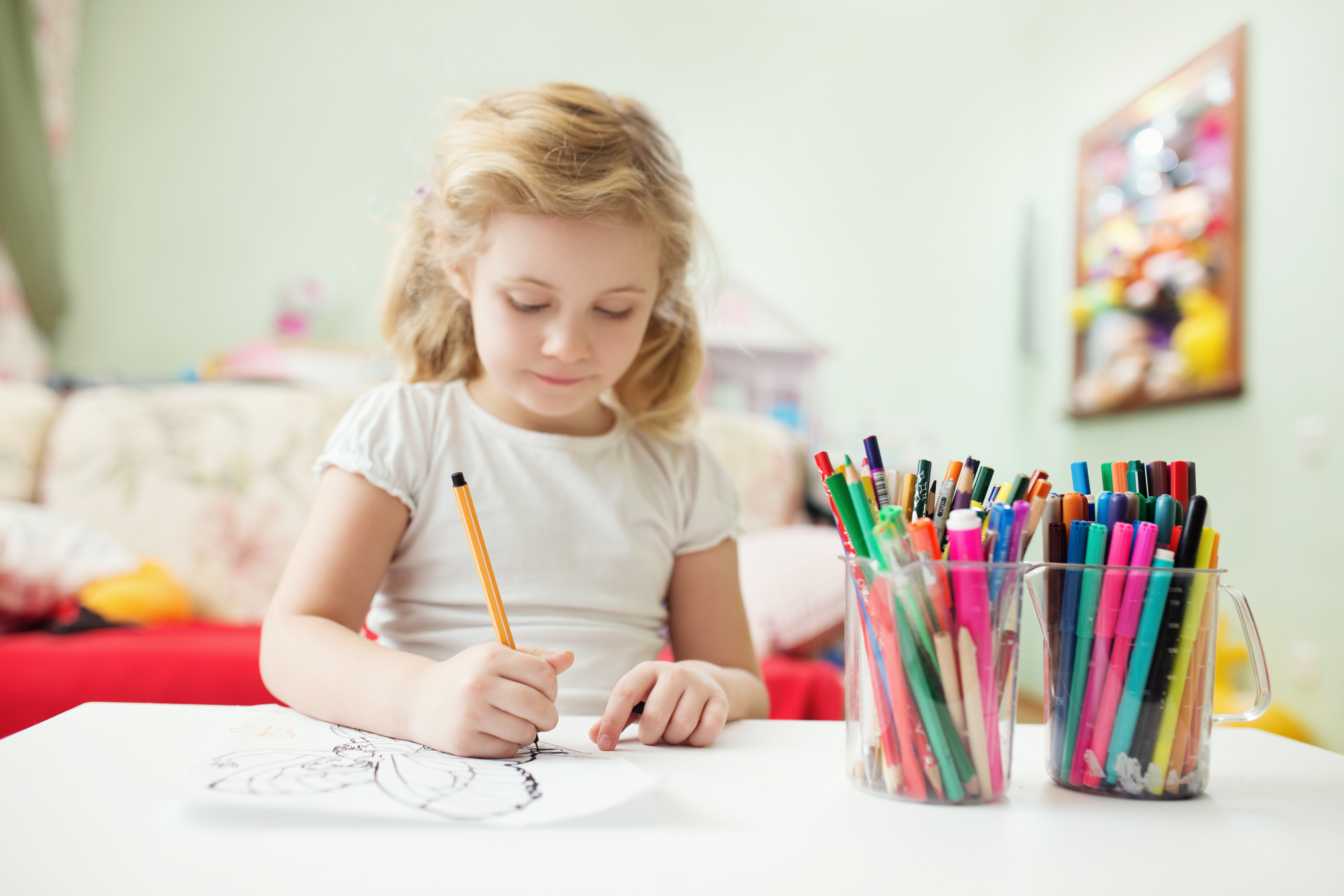
- Arts & Crafts: Painting, sand art, and collages
- Music & Sound: Instruments, clapping games, or singing sessions
- Puzzles & Memory Games: Shape sorting, stacking, and matching activities
- Pretend & Dramatic Play: Kitchens, dress-up, vehicles, and story enactments
- Outdoor & Physical Play: Water tables, large blocks, hide-and-seek, nature exploration
3. Offer Choices Instead of Instructions
Provide options and let children decide how to play. This fosters independence, creativity, and problem-solving.
4. Observe and Support
Sometimes the best role a caregiver or teacher can take is that of a gentle observer. Watch how children interact with materials and peers, stepping in only when guidance or encouragement is needed.
Spontaneous Play at Home
At home, spontaneous play can be as simple as leaving out a basket of blocks, cars, or art supplies. Encourage children to mix and match materials and guide them with open-ended prompts. You can also integrate play into everyday routines—like turning cooking into a dramatic play experience or building a “fort” with couch cushions and blankets.
Spontaneous Play in the Classroom
In early education settings, create areas for self-directed exploration:
- Art & Music Corners: Provide different textures, colors, and instruments for free expression.
- Manipulative Stations: Include puzzles, stacking toys, and sorting games.
- Dramatic Play Areas: Rotate props for pretend kitchens, dress-up, or vehicles.
- Outdoor & Physical Play: Incorporate sand tables, water tables, and nature-based activities.
Rotate activities and materials regularly to maintain curiosity and engagement, and allow children time to immerse themselves fully in their play.
Final Thoughts
Spontaneous play is not just fun—it’s foundational for learning and development. By observing children, offering flexible environments, and following their lead, caregivers and educators can create rich opportunities for growth. Every block stacked, puzzle completed, or story acted out helps children develop critical skills while fostering joy, imagination, and confidence.
Sources
- What Is Spontaneous Play in Early Childhood? – Mission Momplex
- Exploring the Science Behind Spontaneous Play in Children
- Five Essentials to Meaningful Play | NAEYC
Recent Posts
Starting a Business While Welcoming a New Baby: Finding Your Balance in the Chaos
We’re excited to feature today’s guest post from Josh Moore of Diaper Dads! Josh started Diaper Dads because he knows parenting is a learning curve—and sometimes you just need a little backup...
We created this list of family-friendly restaurants in South Seattle to help our neighbors and readers discover some of the best local spots in our area. Each restaurant was carefully chosen for its...