
If you’ve been wondering why parenting feels so isolating, you’re not alone—and you’re definitely not failing. Today’s parents are expected to manage more emotional, logistical, and developmental responsibilities than ever before, yet many still feel disconnected. Modern parenting in 2026 can feel heavy, draining, and lonely—even when surrounded by family, friends, or online communities. The challenge isn’t personal; it’s cultural. Parents are raising children within an intensive parenting culture, often without the village-level support that past generations relied on, while also measuring themselves against carefully curated snapshots of other families online.
Reasons Parents Feel Isolated:
- Intensive Parenting Culture
- No village Support
- Comparison Culture
This sense of isolation is one of the main reasons modern parenting feels so difficult. Understanding where this loneliness comes from is the first step toward releasing some of that weight. One of the most overlooked reasons parenting feels so hard today is the quiet absence of shared responsibility, communal support, and real-life connection. These three forces—intensive parenting culture, lack of village support, and constant comparison—work together to create parenting isolation, one of the main reasons modern parenting feels so heavy today.
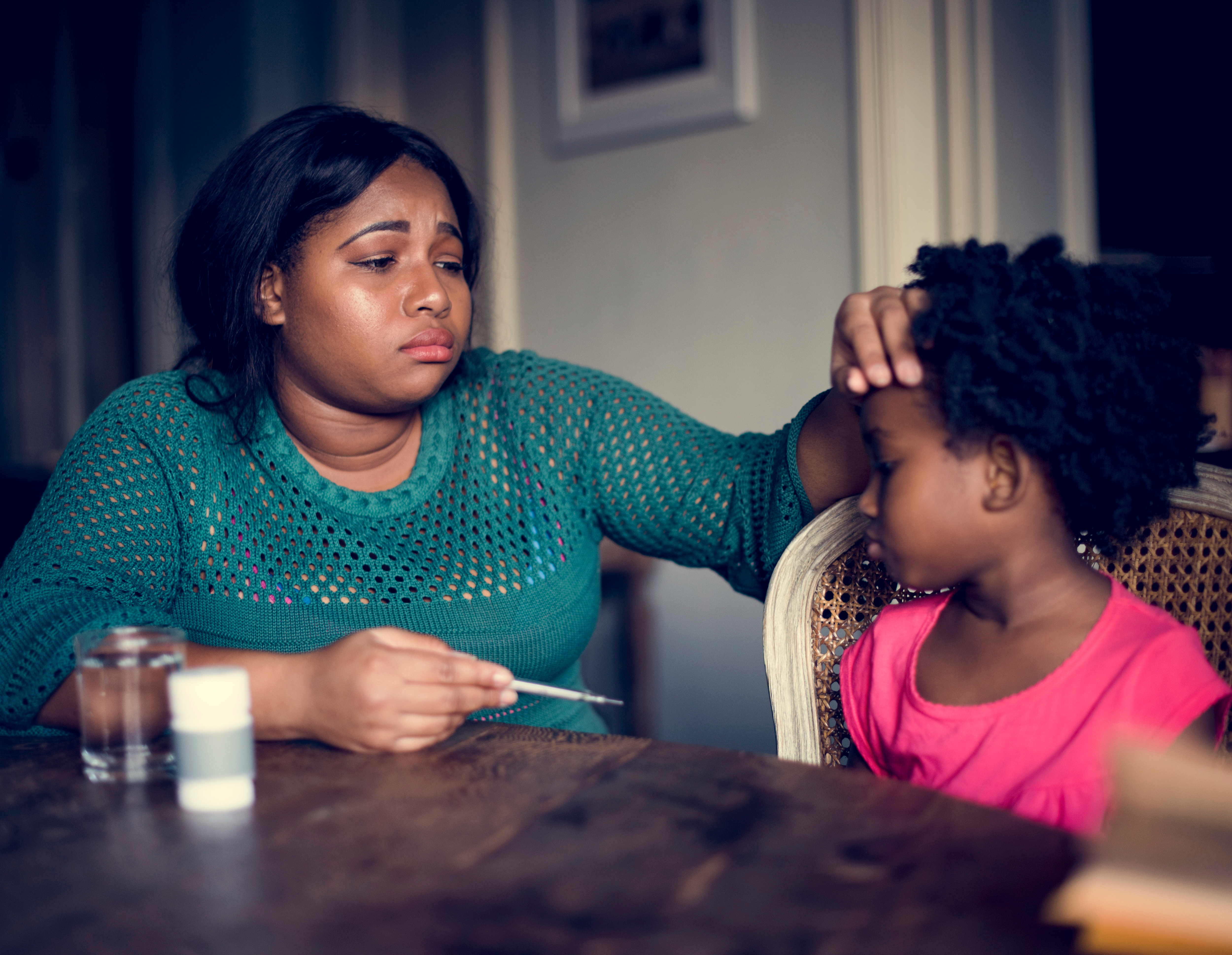
What Is Parenting Isolation?
Parenting isolation isn’t just being physically alone. It’s the experience of carrying the emotional, mental, and decision-making weight of parenting without consistent support.
Modern parenting culture places enormous pressure on individual parents to get everything perfect—emotionally, developmentally, and socially—often without real-life support. The result is a quiet but heavy form of isolation that makes everyday parenting feel overwhelming, exhausting, and emotionally loaded.
Many parents ask:
- Why does parenting feel so lonely even when I’m not alone?
- Why do I feel unsupported even with a partner?
Isolation can exist even in busy households—especially when:
- One parent carries most of the mental load
- Emotional labor goes unseen
- Help feels conditional, judged, or transactional
Why Modern Parenting Is More Isolating Than Ever
1. Intensive Parenting Culture
Intensive parenting culture teaches parents that they must be constantly engaged, emotionally attuned, and actively shaping every part of their child’s development. Parents are expected to research, monitor, optimize, and respond—often without pause or margin for error. This is why so many parents search “why does parenting feel so overwhelming today?”
Hyper-Individualized Parenting
Modern parenting culture quietly teaches:
- Your child’s outcome is your responsibility
- Every decision matters
- Mistakes are harmful
This creates emotional isolation because parents:
- Stop asking for help
- Fear judgment
- Feel pressure to “handle it better”
This culture turns parenting into a high-stakes performance rather than a shared human experience. Every decision feels loaded: how you speak, discipline, play, feed, and emotionally regulate becomes a reflection of your worth as a parent.
When parenting is framed this way, parents are less likely to ask for help. Struggle becomes something to manage privately instead of something to share. Over time, this creates emotional isolation—even in households with two parents—because the pressure to “do it right” leaves little room for vulnerability or support.
2. No Village Support
Many parents today are parenting without a village. Extended family may live far away, neighborhoods are less connected, and help—when it exists—is frequently conditional, scheduled, or paid.
The Loss of Built-In Parenting Communities
Past generations relied on:
- Extended family nearby
- Neighborhood play
- Cultural norms that shared responsibility
Today, many parents are:
- Raising kids far from family
- Living in transient communities
- Navigating parenting without trusted models
This lack of community in parenting turns every challenge into a solo problem.
Without informal, built-in support, parents carry the full weight of childcare, emotional labor, and decision-making alone. There’s no one to step in casually, offer perspective, or absorb stress during difficult seasons. This absence doesn’t just create logistical strain—it reinforces the feeling that parenting is a solo responsibility. When support is missing, stress often turns inward and feels like personal failure.
The lack of village support amplifies isolation by removing moments of shared understanding. When there’s no one to say “this is normal” in real time, parents internalize stress as personal failure, deepening the emotional weight of everyday parenting.
3. Comparison Culture
While online spaces offer connection, they also expose parents to constant, unfiltered comparison—often without context, honesty, or balance. Digital connection can’t replace shared labor, which is why emotional isolation in motherhood continues to grow. This is why many parents ask, “Why do I feel lonely even with online parenting communities?”
Social Media Connection That Isn’t Support
Some online parenting spaces:
- Offer validation—but not relief
- Increase comparison and self-doubt
- Rarely reduce real-world workload
Parents don’t just compare milestones or routines; they compare emotional regulation, household calm, educational enrichment, and even how much they enjoy parenting. These comparisons quietly raise the standard for what “good parenting” looks like, making normal struggles feel like inadequacies.
Instead of creating community, comparison culture often isolates parents further. When everyone appears to be coping better, asking for help feels risky. Parents retreat, self-edit their struggles, and carry the emotional load alone—reinforcing the isolation that makes modern parenting feel so heavy.
How Parenting Isolation Makes Parenting Feel So Heavy
Even small routines—getting children ready in the morning, managing homework, coordinating meals—can feel overwhelming when there’s no one to share the load. Tasks that might otherwise feel manageable become mentally heavier because parents are constantly juggling them alone, leaving little energy for emotional connection or self-care.
Parenting isolation doesn’t just feel sad—it adds weight.
Isolation increases:
- Decision fatigue
- Anxiety over “doing it right”
- Emotional burnout
When there’s no one to:
- Share responsibility
- Normalize struggles
- Step in without explanation
Every task feels heavier because you’re holding it alone.
Parenting Without Support Is a Cultural Problem
In past generations, parenting was woven into everyday social life—neighbors, extended family, and local communities provided informal guidance and hands-on help. Today, many parents live in transient neighborhoods, work remotely, or relocate frequently, which erodes these informal support networks. The cultural expectation that parents must manage everything on their own is relatively new—and it magnifies feelings of isolation.
Many parents quietly believe:
- I should be able to handle this
- Other parents seem fine
- I must be doing something wrong
But parenting without a support system is not a flaw—it’s a structural issue baked into modern parenting culture.
Rebuilding Connection in an Isolating Parenting Culture
Even small forms of shared responsibility or micro-communities can dramatically improve emotional resilience. Naming the load out loud or having a trusted ally to share minor frustrations can reduce stress, prevent burnout, and help parents feel less like they’re failing. Over time, these connections transform parenting from a lonely endurance test into a more manageable, human experience.
You don’t need a perfect village—but you do need some form of shared weight.
Small shifts that reduce isolation:
- Naming the emotional load out loud
- Seeking mutual support instead of advice
- Lowering standards for “acceptable help”
- Creating micro-communities instead of ideal ones
Reduce Parenting Isolation in 2026
Parents are responding to isolation with new strategies, communities, and cultural shifts that prioritize connection, support, and mental health. Some key trends include:
Rebuilding the village: Form real communities in-person.
“Shutdown parenting“: Prioritize genuine rest and intentional connection over busyness and overscheduling.
Policy support: The Surgeon General’s report calls for national paid leave, investments in social infrastructure, and trauma-informed systems to better support parents.
Parent-child connection: Intentional activities (such as reading or focused play) build secure attachments and improve emotional well-being.
Conclusion
Parenting in 2026 is heavier than ever, not because parents are failing, but because modern culture stacks the odds against them. Intensive parenting expectations, the disappearance of natural support systems, and comparison-driven social pressures create an invisible load that most parents carry alone.
Acknowledging parenting isolation is the first step toward relief. When we see it as a cultural issue rather than a personal flaw, we can take small but meaningful steps—sharing responsibilities, seeking mutual support, and building micro-communities—that lighten the mental and emotional weight of everyday parenting.
No parent needs a perfect village, but everyone benefits from some form of shared responsibility, understanding, and connection. By naming isolation, accepting help, and creating pockets of support, parenting can feel less like a solo performance and more like a shared journey.
Sources
- Parental Mental Health & Well-Being | HHS.gov
- Burnout: Signs, Symptoms, and How to Reset | Mission Momplex
- What Parents Need in 2026. A nervous system map for the year ahead | by Theresebell | Dec, 2025 | Medium
- Parental stress is so debilitating, the surgeon general has declared it a public health issue | Fortune Well
Recent Posts
Starting a Business While Welcoming a New Baby: Finding Your Balance in the Chaos
We’re excited to feature today’s guest post from Josh Moore of Diaper Dads! Josh started Diaper Dads because he knows parenting is a learning curve—and sometimes you just need a little backup...
We created this list of family-friendly restaurants in South Seattle to help our neighbors and readers discover some of the best local spots in our area. Each restaurant was carefully chosen for its...