We are thrilled to continue this list of global winter holidays celebrated around the world. If you are interested in learning about spring holidays, we have already created a list of worldwide and cultural spring celebrations.
Winter is a season with festivities around the world, offering a glimpse into cultural traditions, religious observances, and seasonal celebrations. From globally recognized holidays like Christmas and Hanukkah to regional and community-specific events such as Dongzhi in East Asia or St. Lucia’s Day in Scandinavia, winter holidays reflect themes of light, renewal, family, and reflection. These traditions often combine rituals, music, food, and communal gatherings, providing both spiritual meaning and joyful experiences. Exploring winter holidays allows us to appreciate the diversity of human expression during this season and sets the stage for understanding how different cultures continue to mark the cycles of the year through spring and beyond.
1. St. Nicholas Day
St. Nicholas Day is observed on December 6 in many European countries, including the Netherlands, Germany, and parts of France. It commemorates the life of St. Nicholas, a 4th-century bishop known for his generosity. Children place their shoes out to receive gifts, and various regional customs and festivities take place.
2. Bodhi Day
Bodhi Day is observed by Buddhists on December 8 and commemorates the day Siddhartha Gautama attained enlightenment under the Bodhi tree. Observances include meditation, chanting, studying Buddhist teachings, and sometimes participating in cultural rituals such as lighting candles or small offerings.
3. St. Lucia Day
St. Lucia Day is celebrated on December 13, primarily in Sweden, Norway, and parts of Finland. It honors St. Lucia, a Christian martyr, and marks the beginning of the Christmas season in Scandinavian countries. The day is observed with processions of girls dressed in white robes with red sashes, wearing crowns of candles, and singing traditional carols.
4. Hanukkah
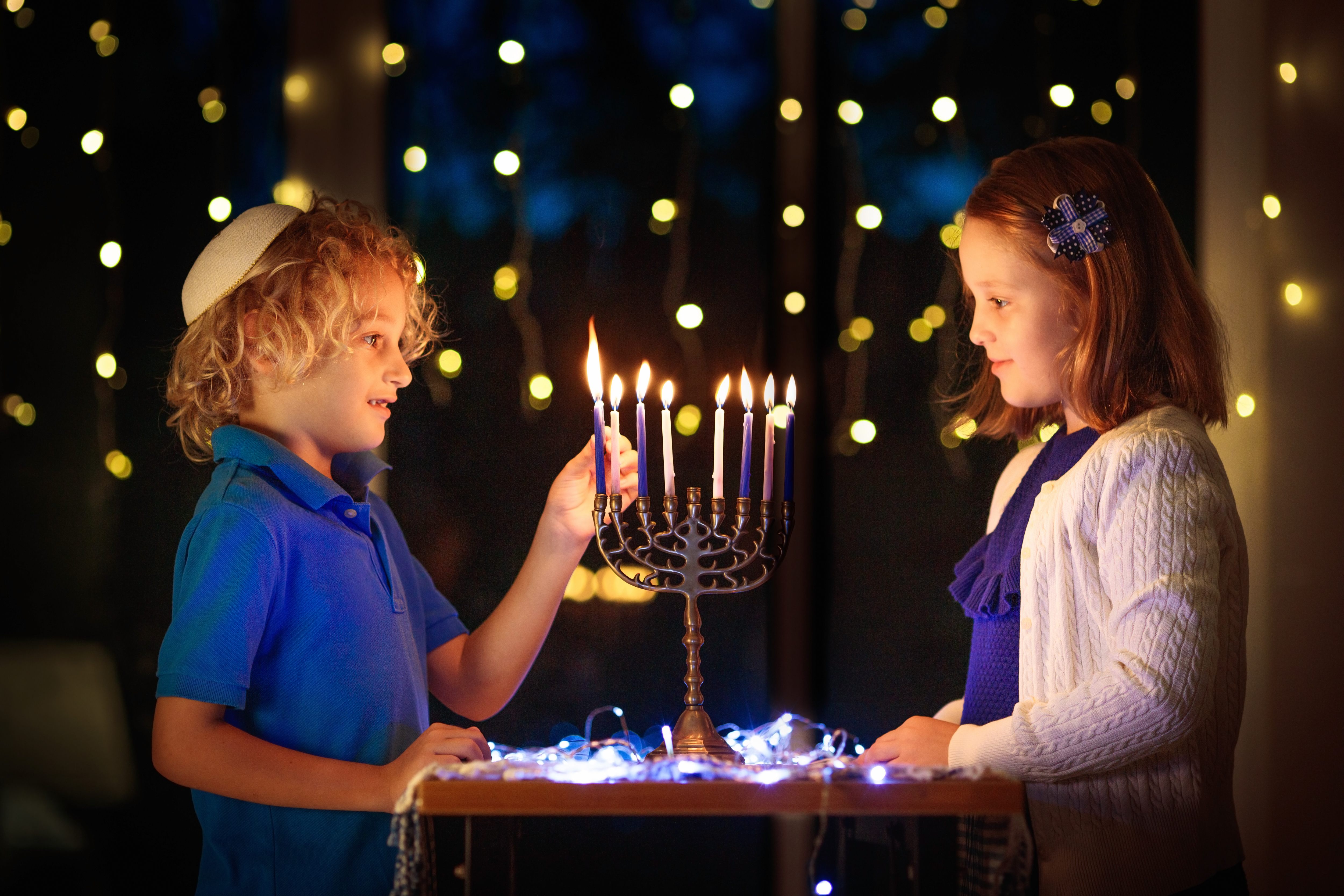
Hanukkah is a Jewish holiday marked for eight days and eight nights in the wintertime. The holiday is also called the Festival of Lights because each evening of Hanukkah, families who celebrate it light the menorah to remember the temple in Jerusalem. Observers of the holiday—Hanukkah, also called dedication in Hebrew—play games, make food, and give gifts as part of the commemoration. Hanukkah is typically honored in November or December, but the exact days change yearly.
5. Diwali
Also called the Festival of Lights, Diwali is a five-day holiday celebrated by Hindus, Sikhs, Buddhists, and Jains. Lakshmi, the goddess of wealth, is honored with fireworks, community gatherings, gifts, lights, and dances during this festival. The exact day Diwali begins changes every year and is usually determined by the Indian calendar. The celebrations usually start in October or November.
6. Saturnalia
Saturnalia was an ancient Roman festival held from December 17 to 23, honoring the god Saturn. The celebrations included feasting, role reversals, gift-giving, and gambling. It was a time of liberty for both slaves and freedmen alike, with customs such as the election of a “King of the Saturnalia” who presided over the merrymaking.
7. Las Posadas
Las Posadas is a traditional Mexican celebration reenacting Mary and Joseph’s search for lodging in Bethlehem. It takes place over nine nights from December 16 to 24. Participants go from house to house, singing carols and seeking shelter, until they are finally welcomed in. The event culminates in a feast, music, and sometimes a piñata.
8. Christmas
Christmas is an annual festival commemorating the birth of Jesus Christ, observed primarily on December 25 as a religious and cultural celebration among billions of people around the world. It is central to Christianity and is celebrated with various traditions, including church services, feasts, and the exchange of gifts.
9. Yule/Winter Solstice
Yule, also known as the Winter Solstice, occurs around December 21 in the Northern Hemisphere. It marks the longest night and the rebirth of the sun. Celebrations include feasts, lighting candles, and various cultural rituals. In Norse mythology, it is associated with the god Yule, and in modern times, it has influenced Christmas traditions.
10. Yalda
Yalda Night, also known as Shab-e Yalda or Chella Night, is an ancient Persian festival celebrated on the winter solstice, typically December 21. It marks the longest night of the year and the victory of light over darkness. Families gather to eat, drink, and read poetry, particularly from the works of Hafez. Fruits like pomegranates and watermelons are significant, symbolizing the crimson hues of dawn.
11. Dongzhi
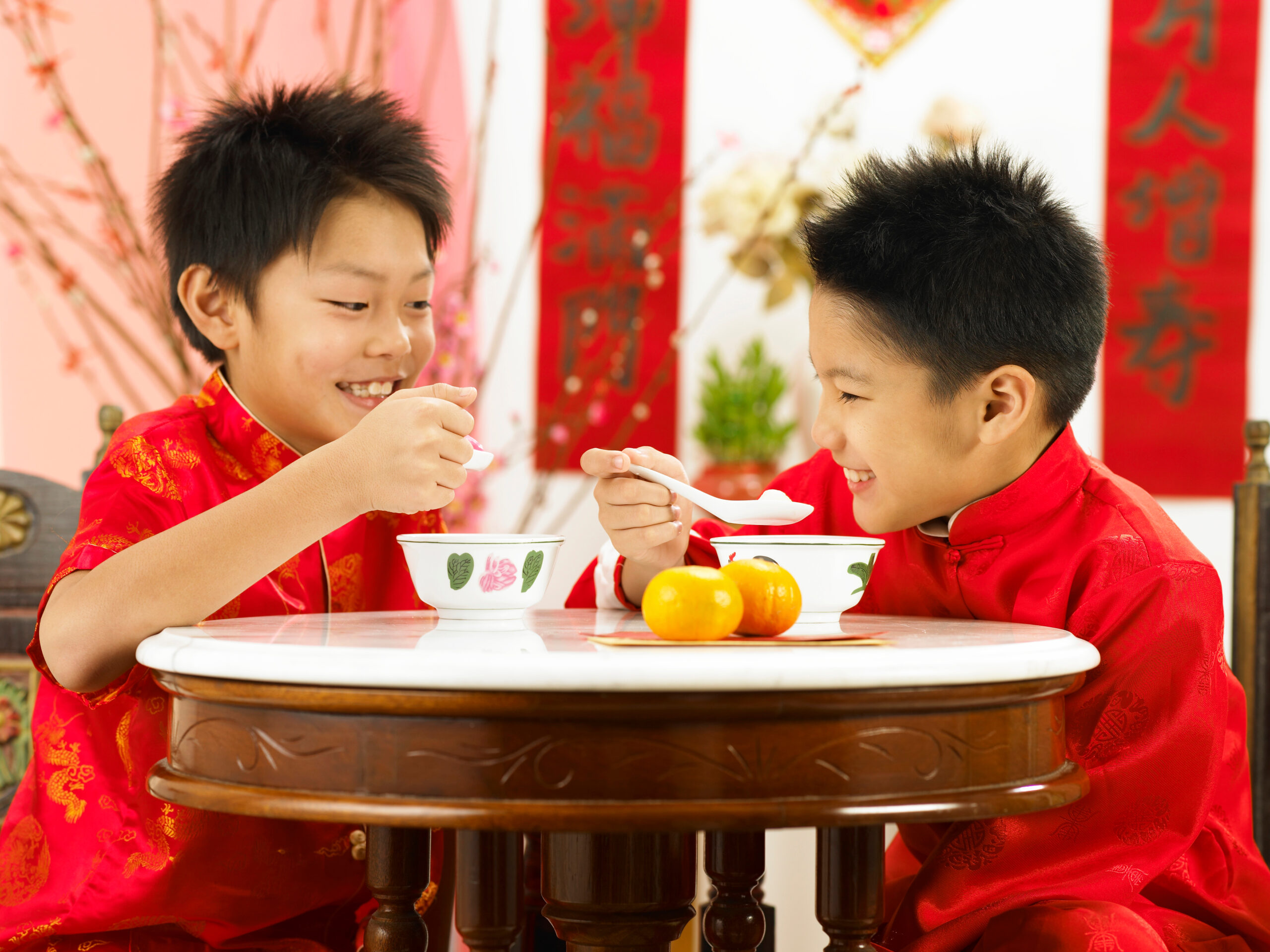
Dongzhi Festival, also known as the Winter Solstice Festival, is celebrated in East Asia, particularly in China, Taiwan, and Hong Kong. It usually falls between December 20 and 23, marking the longest night and the arrival of winter. The festival emphasizes family reunions and is associated with the consumption of tangyuan (sweet rice balls) and other traditional foods.
12. Soyal
Soyal is a winter solstice ceremony celebrated by the Zuni and Hopi Native American tribes in the southwestern United States. Held around December 21, it marks the return of the sun and involves rituals to ensure the sun’s strength and the fertility of the earth. The ceremony includes dances, prayers, and offerings.
13. Pancha Ganapati
Pancha Ganapati is a modern Hindu-inspired family holiday celebrated in the United States from December 21 to 25. It was created to encourage unity and joy during the holiday season, emphasizing gift-giving, family gatherings, music, and the honoring of five aspects of divinity through daily rituals.
14. Boxing Day
Boxing Day is observed on December 26 in the United Kingdom, Canada, Australia, and other Commonwealth nations. Traditionally, it was a day when servants and tradespeople received gifts, known as “Christmas boxes,” from their employers. Today, it is a public holiday marked by sporting events, shopping sales, and family gatherings.
15. Kwanzaa
Kwanzaa is an annual celebration of African-American culture from December 26 to January 1, culminating in a communal feast called Karamu, usually on the sixth day. It was created by activist Maulana Karenga based on African harvest festival traditions from various parts of Africa. The holiday focuses on seven principles known as Nguzo Saba, which emphasize unity, creativity, faith, and other values.
16. New Year’s Day
New Year’s Day is celebrated on January 1 worldwide, marking the beginning of the new year in the Gregorian calendar. Traditions vary by culture but often include fireworks, parties, parades, and making New Year’s resolutions. In some cultures, special foods are prepared, and religious services are held to usher in the new year.
17. Hogmanay
Hogmanay is the Scottish celebration of New Year’s Eve, observed on December 31. It is marked by unique Scottish customs, including first-footing (visiting friends immediately after midnight), street parties, fireworks, and singing “Auld Lang Syne” to welcome the new year.
18. Omisoka
Omisoka is the Japanese celebration of New Year’s Eve, observed on December 31. It is considered the second most important holiday in Japan after New Year’s Day. Families clean their homes, prepare traditional foods like osechi-ryori, and visit temples or shrines to ring in the new year.
19. Three Kings Day / Epiphany
Many Christian and Catholic communities observe the January holiday called Three Kings Day. Also referred to as Epiphany, the holiday celebrated in Spain, Europe, and Latin America highlights the baby Jesus. Celebrations often include food, gifts, and pastries to remember the presence of the Three Wise Men and to recall the baptism of Jesus Christ. Held on January 6 of every year, this winter festival is a time for people to gather and commemorate the three visitors and reflect on how the revelation of Christ influenced religious history.
20. Orthodox Christmas
Orthodox Christmas is celebrated by many Eastern Orthodox Christian communities, including those in Russia, Ukraine, Greece, Ethiopia, and Serbia. Observed on January 7, it commemorates the birth of Jesus Christ according to the Julian calendar. Traditions often include church services, family meals, and the exchange of gifts, similar to Western Christmas, but with unique cultural customs specific to each country.
21. Lohri
Lohri is a popular North Indian festival celebrated predominantly by the Sikh and Hindu communities on January 13 each year. It marks the culmination of winter and the arrival of longer days as the sun moves towards the Northern Hemisphere. The festival is characterized by bonfires, singing, dancing (bhangra and giddha), and community gatherings.
22. Orthodox Epiphany / Theophany
Orthodox Epiphany, also called Theophany, is celebrated on January 19 by some Eastern Orthodox Christians. It commemorates the baptism of Jesus Christ in the River Jordan. Customs often involve blessing water, religious processions, and, in some countries, people immersing themselves in icy rivers or lakes as a ritual purification.
23. Chinese New Year
Chinese New Year, also known as the Lunar New Year or Spring Festival, is the most important traditional holiday in China. It marks the beginning of the lunar calendar year and is celebrated with family reunions, feasts, fireworks, and various cultural activities. The date varies each year but typically falls between January 21 and February 20.
24. Seollal (Korean Lunar New Year)
Seollal is the Korean Lunar New Year, typically celebrated in late January or early February. It marks the beginning of the lunar calendar year and is a time for family gatherings, ancestral rites, traditional games, and the preparation of special foods like tteokguk (rice cake soup).
25. Tết (Vietnamese Lunar New Year)
Tết, or Vietnamese Lunar New Year, is the most important holiday in Vietnam, celebrated according to the lunar calendar. Falling between late January and mid-February, it is marked by family reunions, ancestor worship, festive foods, and traditional customs such as giving “lì xì” (red envelopes with money) to children and elders.
26. Día de Candelaria
Día de Candelaria, or Candlemas Day, is celebrated on February 2 in Mexico and parts of Central America. It marks the presentation of Jesus at the temple and the purification of the Virgin Mary. Traditions include dressing up figurines of the baby Jesus, bringing them to church for blessings, and sharing tamales with family and friends.
27. Waitangi Day
Waitangi Day is celebrated on February 6 in New Zealand. It commemorates the signing of the Treaty of Waitangi in 1840, which established a legal relationship between the British Crown and Māori chiefs. The day is observed with ceremonies, cultural performances, and discussions about the treaty’s significance and its impact on New Zealand’s history.
28. Maslenitsa
Maslenitsa, also known as Butter Week or Pancake Week, is a traditional Russian festival celebrated before Lent. It marks the end of winter and the arrival of spring. The festival involves the consumption of blini (pancakes), bonfires, singing, dancing, and various outdoor activities. It typically falls in late February or early March.
29. Mardi Gras
Mardi Gras, or Fat Tuesday, is the culmination of the Carnival season, celebrated before Lent. It is most famously observed in New Orleans, Louisiana, with parades, masquerade balls, and feasting. The date varies each year but typically falls in February or early March.
30. Ramadan
Ramadan is a month-long Islamic holiday observed by Muslims worldwide, during which participants fast from dawn to sunset, engage in prayer, reflection, and community activities. The dates vary each year according to the lunar calendar, but in 2025 are expected to begin on the evening of February 28 and conclude on the evening of March 30. Ramadan culminates in the festival of Eid al-Fitr, a joyous celebration marked by communal prayers, feasting, and acts of charity to those in need.
Sources
- St. Nicholas Day: Customs and Traditions Around the World – Mission Momplex
- Hanukkah: A Festival of Lights | Central Rappahannock Regional Library (librarypoint.org)
- 70+ Best Amazon Black Friday Deals 2025 – Mission Momplex
- Diwali 2021: 5 Days of Diwali 2021 Date in India Calendar and Lakshmi Puja Muhurat (asiahighlights.com)
- Diwali celebrations in New York City include a lit-up World Trade Center : NPR
- THREE KINGS DAY – January 6, 2022 – National Today
- 40 Spring Holidays Celebrated Around the World -Traditions – Mission Momplex
Recent Posts
Starting a Business While Welcoming a New Baby: Finding Your Balance in the Chaos
We’re excited to feature today’s guest post from Josh Moore of Diaper Dads! Josh started Diaper Dads because he knows parenting is a learning curve—and sometimes you just need a little backup...
We created this list of family-friendly restaurants in South Seattle to help our neighbors and readers discover some of the best local spots in our area. Each restaurant was carefully chosen for its...