
Navigating social situations can be challenging for students of all ages. From peer pressure at a party to hallway disagreements, conflicts and hurtful behaviors can pop up in everyday life. Role-playing is a powerful and practical way to practice responding to these situations safely and respectfully. By stepping into different perspectives, students can build empathy, communication skills, and confidence in handling tricky social moments.
Below is a collection of realistic scenarios designed for classroom or small-group role-play activities. Each scenario provides a situation, instructions for the roles, and guidance on how to engage in dialogue with peers. Students are encouraged to act out both sides of the interaction, switch roles from bullying to bystanders, explore emotions, and practice positive strategies for resolving conflicts, standing up against bullying, and supporting one another. Use your creativity to adapt each scenario, adjusting details as needed to make the experience more engaging and realistic.
1. Peer Pressure at a Party
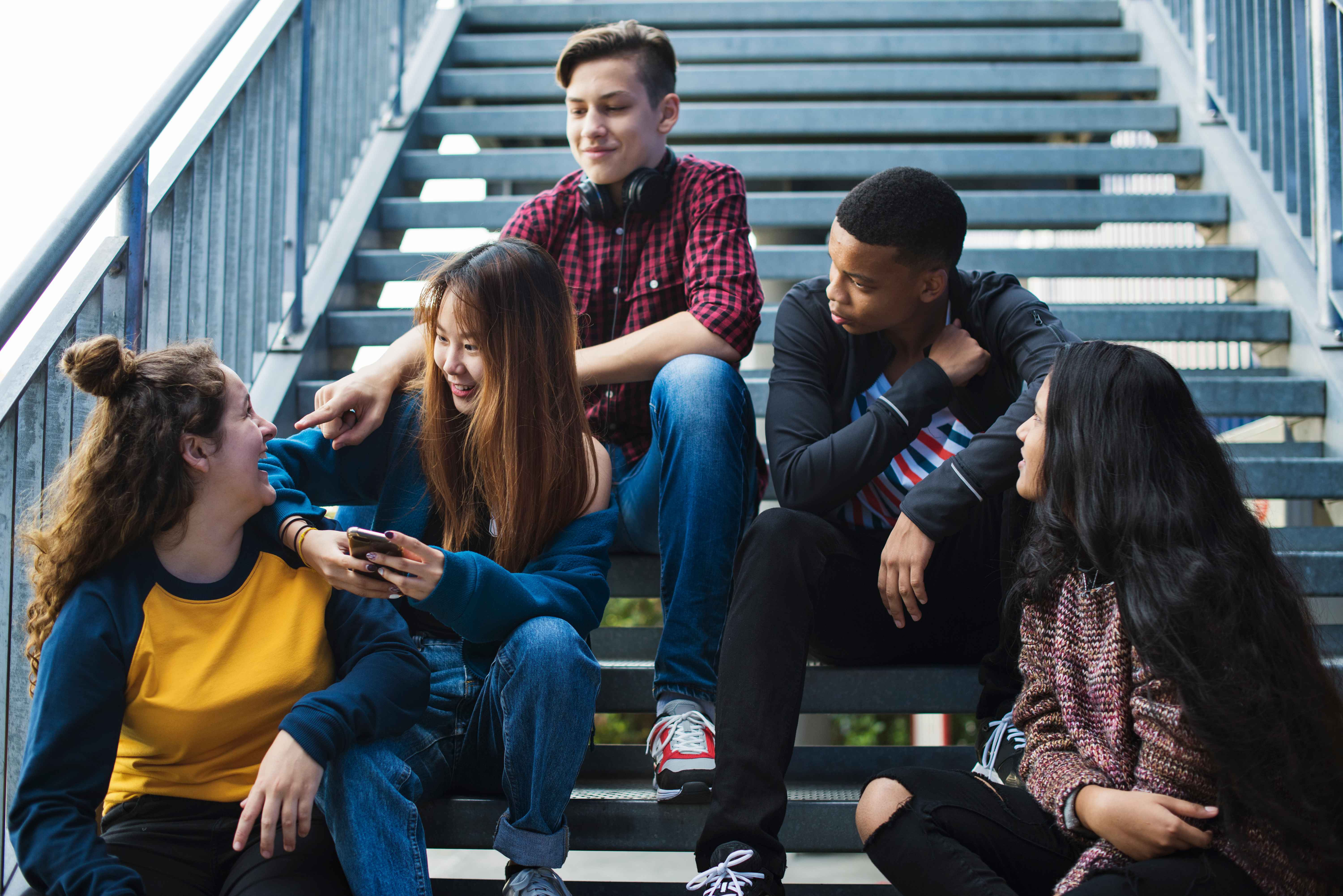
Peer pressure at a party often shows up as subtle or direct attempts to influence a teen’s choices, pushing them to do something they might not feel comfortable with. Pretend you are at a high school or college party where one friend is being convinced to try something they don’t want to. It could look like friends encouraging someone to drink alcohol, try drugs, or engage in risky sexual behavior, even when the teen says no. Teens might also feel pushed to participate in dares, share embarrassing photos or videos, or act in ways that show off or gain social approval. Sometimes the pressure is more social than explicit—friends laughing, teasing, or giving disapproving looks when a teen declines to join in. Take turns playing the friend who is pressured and the friend who encourages it. Switch to a bystander to practice empathy and pro-social skills. Focus on expressing your feelings, setting boundaries, and responding respectfully.
Example: At a college party, one friend is being subtly pressured to post an embarrassing video online.
2. Bullying in the Lunchroom
Imagine you are in the school lunchroom and someone is being teased or left out. A teen might be deliberately excluded from a group, left to sit alone while others whisper, laugh, or make faces. Their food or belongings could be tampered with, spilled, or stolen, and sometimes peers make mocking comments about what they are eating, how they look, or how they speak. Even if no one is physically aggressive, the constant staring, snickering, or passing of notes can create a tense, humiliating environment. Role-play both the person being bullied and a bystander. Practice ways to stand up safely, intervene, or support the person being targeted.
Example: A group whispers about a student’s new haircut, and someone takes out scissors to mock them.
3. Taking Turns at a Park
Pretend you are at a busy park, and there is a limited resource like a swing or slide. A teen might be called names or blocked from their path to the playground equipment. Their belongings—like a backpack, phone, or sports gear—could be stolen, thrown, or hidden. Sometimes, peers use physical intimidation, like shoving or tripping, or pressure the teen into dares to get them off the playground equipment. Take turns being the person who wants to use it and someone else waiting. Focus on polite negotiation, sharing, and patience while expressing your needs clearly.
Example: At a crowded park, two kids reach the swing or the zipline at the same time.
4. Cheating in a Classroom
Cheating as a bullying-related situation can occur when one teen pressures or manipulates another to gain an unfair advantage, or when the act itself creates conflict. Imagine a class where someone is caught trying to cheat on a test. A common scenario might involve one student encouraging another to share answers during a test or copying homework, sometimes using teasing or guilt to convince them. In other cases, a student might openly mock or shame peers who refuse to cheat, creating social pressure to participate. Cheating can also lead to conflicts when some students report dishonesty while others try to cover it up, causing tension or exclusion. Role-play both the student tempted to cheat and the person noticing it. Explore how to respond honestly, address peer pressure, and discuss the consequences without escalating conflict.
Example: During a group project, one student is tempted to copy answers from a peer who simply offers to explain the instructions.
5. Pushing in a Hallway
Pushing in a hallway is a common form of physical bullying among teens, often happening in crowded or transitional spaces where supervision is limited. Pretend you are walking in a crowded school hallway and someone pushes or cuts in front of you. A student might be shoved against lockers, bumped repeatedly, or intentionally blocked while walking to class. This can be accompanied by teasing, name-calling, or laughter from bystanders, which can amplify the embarrassment and fear. Role-play the person being pushed and the person doing the pushing. Practice expressing your feelings, resolving conflicts calmly, and seeking help when needed.
Example: In a crowded hallway, someone accidentally bumps into another student, causing tension as they bump arms —then they get shoved into a wall.
6. Loud Singing on a Sidewalk
Imagine walking past someone loudly singing on a sidewalk, disturbing you or others. A bullying experience involving loud singing on the sidewalk might occur when a teen is singled out in a public space and made the target of attention in a way that feels humiliating. For example, loud peers could be performing in front of strangers to mock a teen, using lyrics or tone to insult, imitate, or ridicule them. Passersby may notice and react, intensifying the teen’s embarrassment. Take turns being the singer and the passerby. Focus on polite communication, setting boundaries, and managing irritation without confrontation.
Example: While walking downtown, someone nearby is singing loudly about their friend’s crush.
7. Using the Bathroom at a Restaurant
Pretend you are at a busy restaurant and need to use the bathroom, but someone is taking a long time or cutting in line. Someone might call out insults or make mocking comments about the person using the bathroom. Inside the bathroom, peers could follow them in, make threatening gestures, or trap them in a stall, creating a sense of fear and vulnerability. Even indirect actions (like spreading rumors that the teen had an “embarrassing incident” in the bathroom) can lead to public shame. Role-play both the person waiting and the person in the bathroom. Practice patience, polite reminders, and problem-solving.
Example: In a cafe, one student yells insults while another occupies the single bathroom for a long time.
8. Slur During a Disagreement
Imagine a heated argument where one person uses a harmful slur. This is a form of verbal bullying that can be deeply hurtful and damaging. In this situation, a teen might be arguing or debating with peers, and the other person or group resorts to name-calling or derogatory language targeting their race, gender, sexual orientation, religion, appearance, or ability. The use of slurs may escalate into a personal attack, often leaving the teen feeling insulted, marginalized, and unsafe. Witnesses or bystanders may either reinforce the behavior by laughing or staying silent, which can intensify the victim’s sense of isolation. Role-play both the person who said it and the person affected. Focus on expressing hurt feelings, addressing harmful language, and practicing calm conflict resolution.
Example: During a class debate over a group project, someone opposes and blurts out an offensive racial slur.
9. Punched Over a Miscommunication
Being punched over a miscommunication is an example of physical bullying that may escalate from a misunderstanding. Pretend a misunderstanding leads to someone throwing a punch. For instance, a teen might say or do something that a peer misinterprets, and instead of resolving the issue verbally, the other teen reacts with violence, such as pushing or punching. This can happen in hallways, during sports, or even in casual social settings. The physical attack is often accompanied by verbal threats, insults, or intimidation, making the victim feel unsafe and anxious. Role-play both parties and practice diffusing the situation, apologizing, and seeking adult help instead of reacting with violence. Emphasize safety and communication.
Example: A classmate misreads you; they think you are ignoring them and respond aggressively, swinging at you in anger.
10. Mocked Over Your Skin Color
Bullying related to skin color is a form of identity-based harassment that can be particularly harmful because it targets an unchangeable aspect of a teen’s identity. Imagine a situation where someone makes fun of your skin color. In these situations, a teen might be teased, mocked, or excluded because of the shade of their skin. Peers may make racist jokes, call them offensive names, or compare them unfavorably to others. This can happen in classrooms, on playgrounds, at social events, or online. Even subtle comments or “friendly teasing” about skin tone can feel isolating and hurtful. Role-play both the person being mocked and the person making the comment. Practice assertive responses, standing up for yourself, and seeking support from peers or authority figures.
Example: Peers are forming groups, but a student overhears another peer making an insensitive comment (like, “No monkeys.”) about their skin color in a joking tone.
11. Name-Calling During a Group Activity
Pretend you are in a group activity, and someone starts calling others mean names or teasing them. Name-calling during an activity is a common form of verbal bullying that can happen in both structured and informal settings. For example, during a gym class, sports practice, group project, or club activity, a teen might be teased for being “slow,” “weak,” “clumsy,” or otherwise different from their peers. The insults can be shouted out in front of the group, whispered to others to encourage laughter, or repeated in a way that isolates the teen. Role-play the person being teased and the person teasing. Practice assertiveness, promote inclusivity, and encourage respectful communication.
Example: During a science experiment, one student calls someone “dumbass” for making a mistake.
12. Neurodivergent Student Getting Labeled
Getting labeled for neurodivergence can be a complex and emotionally charged bullying experience for teens. Imagine a student with neurodivergent traits being unfairly labeled or teased. When peers learn that a teen is neurodivergent (such as having ADHD, autism, dyslexia, or another difference), they might tease, mock, or stereotype them based on that label. Comments could range from “You can’t do that because you’re XYZ” to more subtle forms of exclusion, like not inviting the teen to join group activities or assuming they are “less capable.” Role-play the student and a peer making the label. Focus on expressing feelings, correcting misconceptions, and fostering understanding in a respectful way.
Example: In a club meeting, a neurodivergent student is assumed to be “weird” because of their unique ideas.

13. Stealing in the Locker Room
Pretend someone takes another person’s belongings from a locker. In this scenario, a peer or group of peers might take items such as clothes, shoes, gym bags, or valuables while the teen is changing or showering. Sometimes the stolen items are hidden, damaged, or even publicly displayed to humiliate the victim. The act can be accompanied by teasing, threats, or laughter from bystanders, making the teen feel powerless and exposed. Role-play both the person who stole and the person whose items were taken. Practice addressing the behavior, expressing feelings, and finding a safe resolution.
Example: In the locker room, a student takes another’s headphones as a prank.
14. Bodyshaming During Physical Activities
Body-shaming during physical activities is a form of bullying that targets a teen’s appearance, size, or perceived physical ability. Imagine being in a gym class or sports practice, and someone makes negative comments about another person’s body or abilities. For example, during gym class, sports practice, or a dance activity, peers might make comments like “You’re too lumpy,” “You’re definitely a stick,” or insult their body shape, weight, or coordination. Teasing may happen publicly, in front of classmates, or privately, in whispers to encourage laughter. Even subtle gestures—eye-rolling, snickering, or mimicking movements—can reinforce embarrassment. Role-play both the person being shamed and the person making the comment. Focus on assertive responses, empathy, and encouraging a positive environment.
Example: During PE class, someone comments on another student’s athletic ability or appearance during a running exercise.
15. Overhearing a Rumor About a Teacher
Overhearing a rumor or gossip about a teacher can be an unsettling bullying-related experience for teens, even if they are not the direct target. Pretend you overhear a rumor about a teacher spreading among students. In this situation, a student might accidentally hear classmates spreading false or exaggerated stories about a teacher’s behavior, personal life, or decisions. The rumor could be shared in hallways, cafeterias, or online, often accompanied by laughter, whispers, or judgmental comments. For the teen who overhears it, this can create discomfort, anxiety, or pressure to participate in gossip, especially if peers expect them to react or take sides. Role-play both the person spreading the gossip and the one who hears it. Practice questioning the rumor, responding responsibly, and maintaining respectful communication.
Example: A student overhears peers spreading a rumor that a teacher has been in a car accident while pregnant, so the baby is sick.
16. Isolating Someone Based on Gender
Imagine a group activity where someone is being left out because of their gender. For example, a girl might be left out of sports or group activities traditionally considered “for boys,” or a boy might be mocked or excluded from activities labeled as “for girls.” Teens who are nonbinary or transgender may experience even more deliberate exclusion, misgendering, or avoidance by peers. This type of bullying can happen in classrooms, during extracurricular activities, at social events, or online. Role-play the excluded student and the peers doing the excluding. Focus on inclusion, empathy, and assertive ways to encourage participation.
Example: During a group icebreaker game, one male student is left out because the topic is “How you got ready this morning.”
17. Harassment on the Bus or Public Train
Pretend you are on a bus or train and someone is being harassed or bullied. A teen might experience verbal taunts, name-calling, or threats from peers while trying to sit or stand in transit. Physical actions—such as shoving, blocking the aisle, or taking personal belongings—can also occur. Sometimes, the bullying is subtle, like spreading rumors, giving hostile looks, or pressuring the teen to move seats or give up space. Because buses and trains are enclosed and often crowded, the teen may feel trapped and unsafe, with little opportunity for immediate adult intervention. Role-play the victim and a bystander or the harasser. Practice safe intervention strategies, supporting the person targeted, and seeking help from authority figures.
Example: A student notices another person being harassed on the bus for having too much luggage.
18. Stereotyping Because of Someone’s Clothing
Imagine a situation where a student is judged or teased based on what they are wearing. For instance, peers might make assumptions about a teen’s personality, social status, or interests—calling someone “weird” for wearing unique styles, “rich” for branded clothes, or “uncool” for wearing what others consider outdated or unfashionable. Teens who wear hijabs, turbans, kufis, or other visible religious or cultural garments may be singled out, teased, or mocked by peers for their appearance. Comments might target their faith, suggest they “don’t belong,” or question their choices in a derogatory way. This can happen in classrooms, hallways, social events, or online, often accompanied by name-calling, whispers, or laughter from bystanders. Focus on respectful dialogue, expressing feelings, and challenging assumptions.
Example: A new student wears loose-fitting clothing that is different from everyone else’s more pressed and formal style, and is judged for it.
19. Mocking Someone’s Grades
Mocking grades is a form of academic bullying in which a teen is teased, ridiculed, or judged based on their school performance, whether satisfactory or unsatisfactory. Pretend a peer is teasing or mocking another student for their academic performance. For example, peers might call someone “stupid” for a low grade, boast about their own grades to belittle others, or make sarcastic comments when a teen struggles with homework or tests. This can occur in classrooms, hallways, online forums, or during study groups, and may be accompanied by laughter or whispers that draw attention to the student. Role-play both the student being mocked and the one mocking. Practice standing up for yourself, promoting kindness, and addressing hurtful comments constructively.
Example: During a study session, a student relentlessly jokes about another student’s perfect score on a previous assignment.
20. Negative Comments About Someone’s Race
Imagine a peer making hurtful or prejudiced remarks about another student’s race. This can include name-calling, jokes, slurs, or stereotypes meant to demean or belittle someone because of their race. For example, a teen might be teased for the color of their skin, the way they speak, or cultural practices, either in person, in hallways, classrooms, social events, or online. Even seemingly “casual” remarks can be hurtful, reinforcing feelings of exclusion, shame, or invisibility. Repeated exposure to negative racial comments can damage self-esteem, create anxiety, and make the teen feel unsafe or unwelcome. Role-play both the person making the comment and the person affected. Focus on assertive communication, calling out bias respectfully, and seeking support from others.
Example: A group of scholars is overheard mockingly mimicking a student’s accent.
21. Impersonating Someone With Intent to Harm
Impersonating with intent to harm is a form of bullying, often digital, where someone pretends to be another teen to embarrass, threaten, or damage their reputation. Pretend a student is impersonating someone online or in-person to embarrass or harm them. For example, a bully might create a social media account using the victim’s name and photos, then post offensive messages, false confessions, or inappropriate content. Peers who see the posts may think the victim actually said or did those things, leading to rumors, teasing, or social exclusion. This type of bullying can also happen in person—someone might mimic the teen’s voice, gestures, or style in front of others to humiliate them. Role-play the person doing the impersonation and the one affected. Focus on problem-solving, reporting harmful behavior, and practicing empathy.
Example: A student creates a fake social media profile to post rude and embarrassing messages and photos as someone else.
Recent Posts
Starting a Business While Welcoming a New Baby: Finding Your Balance in the Chaos
We’re excited to feature today’s guest post from Josh Moore of Diaper Dads! Josh started Diaper Dads because he knows parenting is a learning curve—and sometimes you just need a little backup...
We created this list of family-friendly restaurants in South Seattle to help our neighbors and readers discover some of the best local spots in our area. Each restaurant was carefully chosen for its...