
You’ve noticed it: homework takes longer than it should, reading feels like a battle, and test results just aren’t reflecting the effort your child puts in. You worry, you compare, and you ask yourself: “Am I doing something wrong? Is my child just not capable? Or is something else going on?” The truth is, there’s rarely a single reason a child falls behind academically. Learning is complex, and children are juggling more than ever.
- Lack of Basic Skills
- Pandemic
- Social Experiences
- Limited Tutoring
- Reduced Focus
- Undiagnosed Learning Challenges
- Health
- Language Barriers
- Stress and Anxiety
- Behavioral Patterns
- Cell Phone Use
- Socioeconomic Status
- Multitasking
- Increased Screen Time
- Academic Expectations
- School Interruptions
- Delayed or Undelayed Academics
This guide breaks down key reasons children may struggle in school, from foundational skills and health factors to stress, technology, and academic expectations, so you can better understand the challenges your child faces and identify practical ways to support their learning.
1. Lack of Basic Skills
One reason children fall behind in school is that they never fully master the foundational skills on which their later learning depends. Reading fluency, phonics, writing basics, number sense, and early math problem-solving all act like the scaffolding of education. When those pieces are shaky or unknown, everything that’s built on top of them feels confusing or overwhelming.
A child who struggles to decode words in 2nd grade will likely battle with chapter books in 4th grade. A child who never grasped place value will probably struggle with multi-step math in 5th grade. These early gaps compound year after year, creating the impression that a child is behind, when in reality, they missed the groundwork they needed to keep pace.
Many kids don’t get enough repetition or one-on-one practice before classrooms move forward. And once a child feels lost, they often disengage, which widens the gap even faster.
2. Pandemic
The global pandemic created a perfect storm of conditions that made learning harder for nearly every child. The sudden shift to online school, the stress of a worldwide health crisis, and significant disruptions to daily routines all contributed to widespread academic delays. The pandemic changed the environment, the emotional state, and the support systems children rely on to grow academically.
Schools moved to virtual learning almost overnight. Many children were not developmentally ready for long periods of screen-based instruction. Skills that require hands-on practice, such as phonics, handwriting, number sense, and math fluency, were challenging to teach effectively via webcam. Even motivated students struggled with focus, structure, and the lack of in-person teacher guidance.
Children were living through something unprecedented. Families faced illness, job loss, isolation, and constant uncertainty. Even if a child attended online school every day, the emotional weight of the pandemic made it much harder to learn, retain information, and stay academically consistent. This stress can definitely affect attention, memory, and motivation.
Daily structure disappeared. Bedtimes shifted, screen time changed, and many children lost predictable patterns of school days, meals, and homework routines. Without that consistency, learning habits weakened. For younger children, especially, routine is the backbone of academic progress, and losing it makes it easy to fall behind.
3. Social Experiences
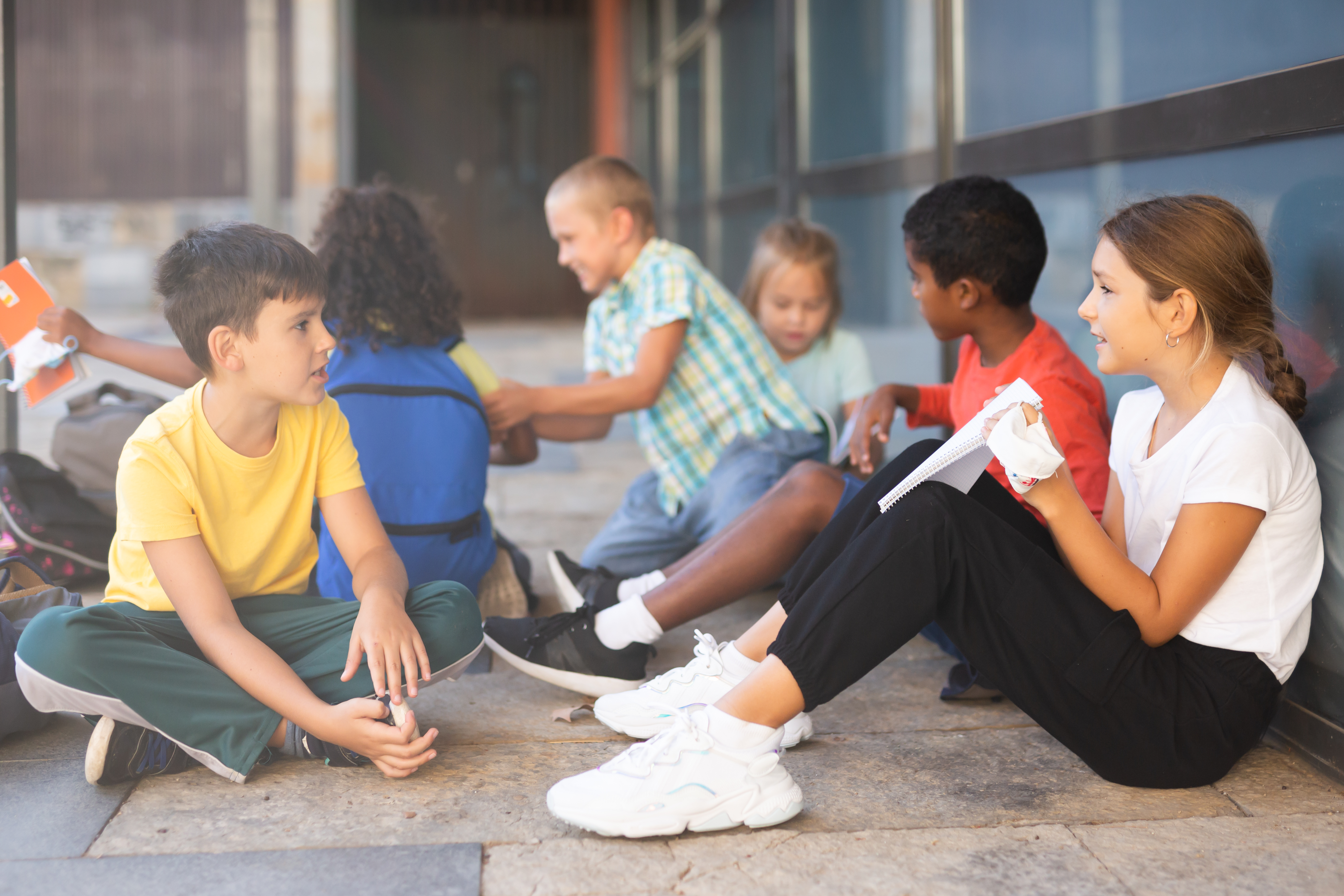
Children spend just as much (and often more) mental energy navigating friendships, feelings, and social dynamics as they do listening to lessons. For many kids, those social experiences can overshadow their ability to focus on academics. Social experiences are an enormous part of childhood development. When a child is emotionally overwhelmed, navigating friendships, or dealing with social stressors, their academic performance often reflects it.
Young kids are constantly learning how to regulate emotions, manage conflict, read social cues, and build relationships. These skills are essential, but they require significant brainpower. When a child is working hard to handle big emotions, fit in, or figure out how to respond to peers, academics often take a back seat. It’s not that they don’t want to learn; it’s that their emotional world feels more urgent.
If a child feels unsafe (whether from direct bullying, exclusion, or subtle social pressure), their brain goes into protection mode. In that state, concentration drops, memory suffers, and participation becomes difficult. Even mild teasing or fear of embarrassment can make a student avoid raising their hand or engaging in class, which slows learning.
For many children, the primary goal of the school day is fitting in. They’re focused on making friends, pleasing peers, gaining attention, or earning approval from a group. This can lead to distraction, impulsive behavior, or more time spent socializing than learning. Kids aren’t doing this wrong. In fact, they’re practicing social skills in real time. But it can pull mental energy away from academics.
4. Limited Tutoring
Not all children receive the same level of academic support outside of school. Some families can invest in tutoring, community center classes, learning pods, or structured homework support. These resources provide individualized attention that many kids need to stay on track. But access often depends on a family’s schedule, income, and living situation.
One-on-one or small-group instruction can help a child master skills they missed in class, practice difficult concepts, and rebuild confidence. Children who get consistent tutoring tend to understand lessons more deeply and catch up faster when they fall behind.
For many families, tutoring is simply not affordable. Others may not have transportation to after-school programs or may have work schedules that make extra academic support difficult. Some children live in areas without community learning centers or reliable internet access for online tutoring.
Even when parents want to help at home, they may not have the time, the energy, or the understanding of current teaching methods to offer practical support.
Kids who receive ongoing, personalized help outside of school often maintain grade-level progress. Meanwhile, children without access to this support may fall further behind. And not because they’re less capable, but because they’re carrying the full weight of learning on their own.
5. Reduced Focus
Modern classrooms can be incredibly stimulating environments. Between crowded rooms, constant movement, bright visuals, fast-paced lessons, and the normal noise of 20–30 children learning together, many kids struggle to stay focused long enough to absorb new material. When a child’s environment demands more attention than their brain can comfortably manage, their learning slows down. Reduced focus isn’t a lack of effort, but it’s a response to an overwhelming setting.
When classrooms are full, there’s naturally more noise, more movement, and more competing demands for a teacher’s attention. Kids who need calm, structure, or individualized support may find it difficult to concentrate, especially during lessons that require deep focus.
Fidget toys, colorful posters, flexible seating, class pets, group materials, and digital devices can be helpful and distracting. For some children, the environment is simply too busy. Their attention keeps drifting from one interesting object to another, leaving less energy for the actual lesson.
Many schools move through the curriculum quickly. Lessons switch every 20–30 minutes, transitions happen constantly, and students are expected to shift their attention on command. Children who need more processing time, or who get overwhelmed easily, can’t always keep up with the pace.
Kids are still learning how to filter out background noise and ignore irrelevant information. When there’s too much going on (social chatter, hallway noise, bright visuals, classroom activity), their brains get overloaded. Overstimulation makes it harder to listen, remember instructions, or complete assignments.
6. Undiagnosed Learning Challenges
Many children struggle academically not because they aren’t trying, but because they have underlying learning or developmental challenges that haven’t been identified yet. When these needs go unnoticed, school can feel confusing, frustrating, or overwhelmingly difficult. A child can fall behind even when they’re putting in effort.
Conditions like dyslexia, language processing disorders, and dyscalculia (math-specific learning challenges) make certain subjects much harder to grasp. A child may be bright and curious, but if the way they learn doesn’t match the way they’re being taught, they’ll struggle to keep pace. Without proper evaluation and support, these students often feel like they’re “just not good at school,” when in reality they need a different learning approach.
ADHD affects a child’s ability to focus, regulate impulses, stay organized, and follow multi-step directions. Even with high intelligence, ADHD can make everyday tasks—such as listening to instructions, completing assignments, or starting work—much harder. When it goes undiagnosed, teachers may misinterpret the signs as laziness or misbehavior rather than a neurological difference.
Some children are still working toward age-expected milestones in language, fine motor skills, memory, or problem-solving. These delays can impact school readiness and make it challenging to keep up with standard curriculum pacing. A child may need more repetition, more hands-on practice, or more time to understand concepts.
Some kids have difficulties with working memory, processing speed, or executive functioning. This doesn’t reflect intelligence. It reflects how their brain organizes and processes information. If it takes longer to absorb material or recall facts, the child may appear behind even though the issue is neurological, not motivational.
7. Health
A child’s physical and mental health has a direct impact on how well they can learn. Health is a major part of academic success. When children’s physical or emotional needs aren’t fully supported, it becomes much harder for them to stay on track academically. When kids don’t feel well (whether due to chronic conditions, sleep issues, vision or hearing problems, or emotional struggles), their ability to focus, retain information, and keep up with schoolwork naturally decreases. Many of these issues go unnoticed, which can make a child appear “behind” academically when the real barrier is health-related.
Conditions like asthma, autoimmune disorders, or recurring infections can cause children to miss school or feel fatigued during the day. Even small gaps in attendance lead to missed lessons, weaker foundational skills, and difficulty catching up. Kids who feel sick often can’t concentrate as well as their peers.
Sleep is essential for memory, attention, emotional regulation, and overall brain function. Children who aren’t getting enough sleep (or who have poor-quality sleep) often struggle to focus, follow lessons, or complete assignments. They may seem forgetful, inattentive, or unmotivated, when really they’re exhausted.
If a child can’t see the board or hear instructions clearly, their learning will naturally suffer. Vision and hearing problems sometimes go undetected for years, especially if a child has learned to compensate. Without correction, these challenges can lead to academic delays in reading, writing, and math, as well as in classroom participation.
Anxiety, depression, trauma, and emotional overwhelm all affect a child’s ability to learn. When a child is preoccupied with fear, sadness, or stress, their brain prioritizes coping—not academics. They may have trouble concentrating, completing assignments, or engaging in class.
Hunger, dehydration, and inconsistent meals impact energy, mood, and focus. When a child’s basic health needs aren’t met, learning becomes much more difficult.
8. Language Barriers
Children who speak a different language at home can face significant challenges in school, especially when instruction is not provided in their native language. Learning new academic concepts in a second language is inherently more difficult, and without proper support, students can quickly feel lost, frustrated, or behind.
When schools don’t provide instruction in a child’s first language, the student is expected to learn both the content and the language simultaneously. This dual challenge can slow comprehension, reduce participation, and make it harder to complete assignments successfully.
Even schools that attempt to accommodate multiple languages often use varying strategies: bilingual instruction, ESL pull-out classes, or mixed-language materials. While well-intentioned, this approach can be confusing. Children may struggle to adapt to different teaching methods or language models, especially when there isn’t a consistent instructional standard.
In addition to learning new material, children are navigating cultural and linguistic norms. They may hesitate to ask questions, participate in discussions, or engage with peers due to language insecurity, further limiting their academic progress.
9. Stress and Anxiety
Stress and anxiety are powerful barriers to learning. They hijack the brain’s resources, making learning much more difficult even when the child wants to succeed.When a child’s mind is preoccupied with worry, fear, or uncertainty, it becomes much harder to focus on lessons, retain information, or complete tasks. Even competent students can see their academic progress slow when mental or emotional stress is present.
Children experiencing anxiety often spend significant mental energy on their feelings and thoughts. They may replay scenarios, worry about outcomes, or anticipate problems, leaving less cognitive capacity for concentrating on classwork. This mental load acts like a constant distraction, making it difficult to absorb new material.
Anxious or stressed children may seem daydreamy, disengaged, or spaced out. Their brains are busy processing emotions rather than processing academic content. This is especially common during tests, presentations, or high-stakes tasks, where worry can override attention and memory.
Many children with anxiety try to predict what will happen next—whether they will make a mistake, get teased, or fail a task. This constant forecasting keeps them mentally off-task, reduces classroom participation, and slows the pace at which they learn new concepts.
Over time, ongoing stress and anxiety can create a cycle: falling behind academically can increase worry, which further impairs focus, which leads to more gaps in learning. Without support, this cycle can compound year after year.
10. Behavioral Patterns
Children’s behavior in school can directly influence their academic progress. Patterns like procrastination, physical aggression, or emotional outbursts can interrupt learning—and not only for the child exhibiting the behavior but also for classmates and teachers. Understanding these behaviors helps explain why some students struggle academically.
Some children delay starting tasks or completing assignments, often because they feel overwhelmed, anxious, or unsure of their abilities. Chronic procrastination reduces the time spent practicing skills, completing homework, or reviewing material, thereby slowing academic growth over time.
Behaviors like hitting, pushing, or other forms of physical aggression can result in disciplinary action, time out of class, or social isolation. Each instance interrupts learning opportunities and can prevent children from engaging consistently with instruction.
Frequent yelling, crying, or anger outbursts can make it difficult for children to concentrate and for teachers to maintain a supportive learning environment. Children experiencing intense emotions may miss key instructions or struggle to complete assignments, leaving gaps in understanding.
11. Cell Phone Use
While cell phones can be valuable tools, excessive or unstructured use can interfere with a child’s ability to focus, retain information, and complete schoolwork. The constant availability of social media, games, and messaging creates distractions that reduce time and mental energy for learning.
Children often check phones during class, homework, or study sessions. Even brief interruptions can break focus and make it harder to absorb information. Studies show that multitasking with devices reduces comprehension and memory retention.
Time spent on phones often replaces time for reading, problem-solving, and practicing skills. Children who spend several hours a day on phone screens may have less opportunity to complete homework, read for pleasure, or engage in focused learning, widening academic gaps over time.
Late-night phone use can interfere with sleep, which is essential for memory consolidation and learning. Sleep-deprived children often struggle with attention, motivation, and problem-solving during the school day, further delaying progress.
Constant notifications, apps, and messages create mental noise, making it harder for children to concentrate on a single task at a time. This overstimulation can impair executive functioning, including planning, organizing, and completing assignments efficiently.
12. Socioeconomic Status
A child’s financial and home environment can have a surprisingly significant effect on their ability to succeed in school. When basic needs aren’t consistently met, learning becomes much more difficult. A child’s financial and home environment could directly influence their learning. Socioeconomic challenges create barriers that go beyond intelligence or effort, making it harder for children to keep up with academic expectations.
Children from lower-income households may lack essential school supplies, textbooks, or technology needed to complete assignments. Without these tools, they may struggle to participate fully in lessons or complete homework effectively.
Sharing bedrooms with siblings, living in small apartments, or having little quiet space for study can make it difficult for children to focus on schoolwork. Even motivated students may find it hard to concentrate or maintain consistent routines at home.
Financial insecurity often comes with unpredictable daily routines, such as irregular meals, caregivers’ work schedules, or frequent relocations. Children in these situations may feel anxious or unsettled, which reduces mental energy available for learning.
These factors don’t just affect school performance for a day; they may accumulate over time. Children who consistently lack resources, stability, or quiet study time are more likely to fall behind academically compared to peers with more consistent support.
13. Multitasking
Many children try to juggle multiple tasks at once. They may check their phones while doing homework, listen to a lecture while doodling, or switch between subjects rapidly. While it may seem productive, research shows that multitasking actually reduces efficiency, comprehension, and memory retention. Multitasking may feel like getting more done, but it often slows real learning. Children learn best when they can focus on one task at a time, practice skills deliberately, and process information without constant interruptions.
When a child’s focus is split across multiple activities, their brain struggles to process and store information effectively. They may complete tasks more slowly, forget instructions, or make more mistakes, which slows overall learning.
Multitasking prevents children from fully engaging with one concept at a time. Skills like reading comprehension, problem-solving, and critical thinking require sustained focus. Constantly switching between tasks interrupts the cognitive processes needed for deeper understanding.
Shifting attention repeatedly drains mental energy. Children who multitask frequently may feel exhausted, mentally foggy, or frustrated, further reducing their ability to retain information or complete schoolwork efficiently.
Over time, habitual multitasking could reinforce poor study habits and limit the development of executive functioning skills like organization, prioritization, and time management.
14. Increased Screen Time
Children today spend more time than ever in front of screens—both at home and in school. Schools introduce personal screens as young as kindergarten. While technology can support learning, excessive screen time often interferes with focus, retention, and the development of foundational skills.
Many children spend hours each day on smartphones, tablets, or computers for entertainment. Gaming, social media, and videos can be highly engaging, but they can also replace time for reading, practicing math, or completing homework. Over time, this reduces opportunities for active learning and skill reinforcement.
Schools increasingly use laptops, tablets, and online platforms for instruction. While these tools can be valuable, children can become dependent on technology to do tasks for them, rather than developing critical thinking, problem-solving, or handwriting skills. Digital distractions (notifications, multitasking, or online games) can further reduce learning effectiveness.
Constant exposure to fast-moving screens trains the brain to expect rapid stimulation. This can make slower-paced tasks, such as reading a textbook, solving multi-step math problems, or following complex instructions, feel frustrating and boring, leading to decreased attention and comprehension.
15. Academic Expectations
Sometimes children fall behind not because of ability or effort, but because the expectations placed on them are too high or the curriculum moves too quickly. When lessons are consistently beyond a child’s current skill level, learning becomes frustrating, overwhelming, and less effective. Unrealistic expectations and rapid pacing can slow learning by overwhelming children or disconnecting instruction from their actual needs. Scaffolding, differentiation, and pacing adjustments help children stay in an optimal learning zone where they can succeed and build confidence.
Many schools cover a broad range of content in a limited amount of time. Teachers may unintentionally set expectations that exceed what children can realistically achieve at their developmental level. When students are pushed to meet these demands without sufficient support or scaffolding, they may struggle to grasp foundational concepts, leaving gaps that grow over time.
Children have different strengths, weaknesses, and learning speeds. A standard approach may ignore these differences, encouraging children to stretch to meet school requirements rather than building mastery of what they actually need to learn. This can prevent children from fully understanding core skills before moving on to more advanced topics.
When lessons move too quickly, children may feel lost or disengaged. Rather than falling further behind, some kids mentally tune out, waiting for content they can handle. Over time, this disengagement becomes a barrier to academic growth, even for motivated students.
16. School Interruptions
Frequent disruptions in a child’s school environment can significantly slow academic progress. Inconsistencies in instruction, daily routines, and classroom leadership make it difficult for students to focus, retain information, and build momentum in learning. Consistency matters for learning. Frequent interruption from teacher changes, schedule shifts, or daily events can prevent children from building mastery over time and slow overall academic progress.
High rates of teacher turnover mean children may face multiple instructors in a short period. Each new teacher may have different expectations, teaching styles, and classroom management approaches. Adjusting repeatedly to these changes can create gaps in understanding and continuity.
Switching between classes, subjects, or schedules too often can confuse students, particularly younger learners or those who need more time to process information. Irregular transitions can make it difficult to establish consistent study habits and focus.
Fire drills, lockdown drills, assemblies, and school events break up instructional time. These interruptions can fragment the school day, reducing the time children spend in sustained, focused learning.
17. Delayed or Undelayed Academics
Some parents are choosing to delay formal schooling for their children or to homeschool with a flexible approach. Delaying or customizing the start of formal academics can support development and confidence, but without attention to foundational skills, children may face challenges later if they do attend school. At the same time, starting school too early could also potentially disrupt learning.
Research shows that children who start formal schooling at age 6 or 7 may perform better academically than those who start earlier, particularly in literacy and social-emotional development. Delaying school allows children more time to develop foundational skills, confidence, and curiosity at their own pace. Many parents are now homeschooling because they want their children to explore the world, follow their interests, and learn naturally, without the rigid pacing of traditional classrooms.
On the flip side, children who are homeschooled or unschooled may miss certain skills that schools assume students already know. For example, multiplication, reading fluency, or structured writing may not have been emphasized at the same pace. When these children eventually enter traditional school, they may struggle to keep up with grade-level expectations. This gap isn’t due to lack of ability or motivation; it’s simply a difference in exposure and timing.
Final Thoughts
Children fall behind in school for many reasons. Academic delays rarely happen for a single cause. Often, multiple factors interact, creating challenges that slow learning even for motivated and capable students.
The key takeaway is that falling behind doesn’t reflect a child’s intelligence, motivation, or effort. Rather, it often signals a mismatch between a child’s needs and the learning environment. Understanding the root causes, whether they’re academic, social, emotional, health-related, or environmental, allows parents, teachers, and caregivers to provide targeted support, encouragement, and strategies to help children catch up and thrive.
Sources
- How Early Academic Training Retards Intellectual Development | Psychology Today
- Are American Children Behind Academically? –Stats – Mission Momplex
- Academic Delays and the Problem of Multitasking | Psychology Today
- The scary truth about how far behind American kids have fallen | Center for Education Policy Research
- New Report Helps Pediatricians Diagnose Causes Behind Stalled Academic Progress – HealthyChildren.org
Recent Posts
Starting a Business While Welcoming a New Baby: Finding Your Balance in the Chaos
We’re excited to feature today’s guest post from Josh Moore of Diaper Dads! Josh started Diaper Dads because he knows parenting is a learning curve—and sometimes you just need a little backup...
We created this list of family-friendly restaurants in South Seattle to help our neighbors and readers discover some of the best local spots in our area. Each restaurant was carefully chosen for its...