
Throughout history, women who challenged social norms, expressed strong emotions, or refused to conform were often dismissed with a single word: mad. This label wasn’t a diagnosis—it was a social tool. Their so-called “madness” often reflected the fear of those in power. It silenced women whose behavior made others uncomfortable, especially when they stepped outside expectations of obedience, passivity, or emotional restraint.
From prophetic visionaries and political leaders to writers, artists, and activists, these women pushed boundaries, defied expectations, and left lasting legacies. This comprehensive post highlights remarkable women from around the world who were labeled “mad” or “crazy” in their time — and shows why their lives, deep passions, and achievements prove otherwise.
1. Cassandra —Ancient Troy
Cassandra was a Trojan princess and prophetess renowned for her ability to foresee the future. Passionate about truth and divine insight, she consistently warned her people about the fall of Troy. Despite her accurate prophecies, she was labeled “mad” because no one believed her — her knowledge and foresight were dismissed as the ramblings of a cursed or unstable mind.
2. Joan of Arc —France
Joan of Arc was a peasant girl who became a national heroine by leading French forces during the Hundred Years’ War. Driven by her faith and a passion for justice and leadership, she claimed to receive divine visions directing her to protect France. Her bold military role and spiritual claims terrified political and religious authorities, who labeled her “mad” and heretical, ultimately leading to her execution.
3. Mary Todd Lincoln —United States
Mary Todd Lincoln was the 16th First Lady of the United States, known for her political acumen and involvement in public affairs during Abraham Lincoln’s presidency. Passionate about governance, politics, and the welfare of her family, she endured profound personal tragedies, including the loss of multiple children. Her emotional volatility and public scrutiny led some contemporaries to label her “mad,” culminating in a period of institutionalization, though her behavior reflected grief and trauma rather than instability.
4. Sylvia Plath —United States
Sylvia Plath was a poet, novelist, and writer known for her confessional style and exploration of identity, psychology, and women’s ambition. Passionate about literature and self-expression, she navigated immense societal pressures and personal mental health struggles. Her intense emotional life and depression led some to label her “mad,” overshadowing her disciplined creativity, literary brilliance, and enduring influence on modern poetry.
5. Emily Dickinson —United States
Emily Dickinson was a poet renowned for her innovative use of language, introspection, and exploration of philosophy, science, and theology. Passionate about poetry and intellectual inquiry, she lived a largely reclusive life, deliberately avoiding social conventions. Her withdrawal and unconventional lifestyle led some contemporaries to label her “mad,” though her solitude was intentional and fueled her extraordinary creativity.
6. Zelda Fitzgerald —United States
Zelda Fitzgerald was a writer, painter, and cultural icon of the Jazz Age, known for her artistic ambition and independent spirit. Passionate about art, dance, and literature, she struggled against societal and marital constraints. Her institutionalization and publicized mental health struggles led many to label her “mad,” yet her distress reflected suppression, lack of agency, and the pressures of fame rather than inherent instability.
7. Virginia Woolf —England
Virginia Woolf was a novelist, essayist, and key figure in modernist literature, celebrated for her explorations of consciousness and feminist thought. Passionate about literature, social critique, and intellectual experimentation, she experienced periods of mental illness. Critics and contemporaries often labeled her “mad,” but her insight, creativity, and analytical abilities remained profound, influencing generations of writers.
8. Nellie Bly —United States
Nellie Bly was a pioneering journalist and social reformer, famous for her investigative reporting and exposés on asylum conditions. Passionate about journalism, justice, and reform, she feigned insanity to gain entry into mental institutions and reveal systemic abuses. Her actions temporarily led some to call her “mad,” but they ultimately demonstrated courage, intelligence, and strategic thinking.
9. Charlotte Perkins Gilman —United States
Charlotte Perkins Gilman was a writer, sociologist, and feminist thinker, renowned for her work on women’s health and social reform. Passionate about feminism, sociology, and advocating for women’s autonomy, she was diagnosed with postpartum depression and subjected to the infamous “rest cure.” Contemporaries labeled her “mad,” but her writings and activism highlighted systemic mistreatment of women and demonstrated her keen intellect.
10. Ada Lovelace —England
Ada Lovelace was a mathematician and pioneer of computer programming, known for her work on Charles Babbage’s Analytical Engine. Passionate about mathematics, logic, and innovation, she displayed extraordinary analytical ability and visionary thinking. Some contemporaries considered her intense intellect and unconventional pursuits as signs of instability, yet her contributions laid the foundation for modern computing.
11. Hypatia of Alexandria —Egypt
Hypatia of Alexandria was a philosopher, mathematician, and astronomer, celebrated for her scholarship and teaching. Passionate about science, philosophy, and logic, she led an intellectual life in a male-dominated society. Her prominence and influence provoked hostility, and she was labeled “mad” or dangerous by political and religious rivals, ultimately leading to her brutal murder.
12. Anne Boleyn —England
Anne Boleyn was the queen consort of Henry VIII and a central figure in the English Reformation. Passionate about politics and religion, and eager to assert her influence at court, her assertiveness and ambition were framed as instability. Labeled “mad” and accused of witchcraft and adultery, she was executed, though her downfall was political rather than a reflection of mental illness.
13. Frances Farmer —United States
Frances Farmer was an actress and activist known for her talent and outspoken nature in Hollywood. Passionate about acting and independence, she resisted control from the film industry and society. Her nonconformity led to institutionalization, and she was labeled “mad,” though her treatment reflected abuse and coercion rather than actual mental illness.
14. Hedy Lamarr —United States / Austria
Hedy Lamarr was an actress and inventor, celebrated for her beauty and contributions to wireless communication technology. Passionate about engineering, invention, and creativity, she co-developed frequency-hopping technology that laid the groundwork for modern Wi-Fi and Bluetooth. Despite her brilliance, she was often dismissed as “mad” or unstable because society underestimated women’s intellect when paired with fame and glamour.
15. Billie Holiday —United States
Billie Holiday was a jazz singer and civil rights advocate, renowned for her emotive voice and groundbreaking contributions to music. Passionate about music, artistic expression, and racial justice, she faced systemic racism, personal trauma, and addiction. Her struggles were often framed as signs of being “mad,” though they reflected the pressures of a society hostile to Black women rather than inherent instability.
16. Frida Kahlo —Mexico
Frida Kahlo was a painter celebrated for her surreal, symbolic, and autobiographical works. Passionate about art, identity, and political expression, she endured physical pain and personal trauma. Her emotional intensity and self-expression led some to label her “mad,” but her work was deliberate, political, and deeply self-aware, making her a lasting icon of creativity and resilience.
17. Emma Goldman —Lithuania / United States
Emma Goldman was an anarchist political thinker and activist, known for her writings and speeches on free speech, labor rights, and women’s liberation. Passionate about politics and social reform, her radical ideas and activism were labeled “mad” by authorities and critics, yet she was a coherent, strategic thinker whose influence extended across generations.
18. Ida B. Wells —United States
Ida B. Wells was a journalist, activist, and leader in the civil rights movement, particularly focused on anti-lynching campaigns. Passionate about justice, truth, and social reform, her meticulous documentation and outspoken advocacy were often dismissed as signs of anger or irrationality. She was labeled “mad” by detractors, but her work reflected courage, intellect, and integrity.
19. Yoko Ono —Japan / United States
Yoko Ono is an avant-garde artist, musician, and peace activist known for her experimental art and conceptual projects. Passionate about art, music, and global peace, her unconventional methods and nontraditional art forms confused critics and audiences. She was often labeled “mad” or eccentric, though her work was intentional, thoughtful, and influential in shaping modern art and activism.
20. Britney Spears —United States
Britney Spears is a pop singer and performer recognized worldwide for her music and cultural impact. Passionate about performance, music, and creative expression, she faced extreme public scrutiny and personal struggles under a controlling conservatorship. Public breakdowns and media narratives labeled her “crazy,” though her behavior occurred under immense pressure and lack of agency.
21. Rosemary Kennedy —United States
Rosemary Kennedy was a member of the Kennedy family, known for her education and social connections. Passionate about learning and independence, she faced developmental differences and challenges conforming to elite expectations. Misunderstood and subjected to a lobotomy, she was labeled “mad,” but her suffering was the result of medical abuse.
22. Queen Liliʻuokalani —Hawai’i
Queen Liliʻuokalani was the last reigning monarch of the Hawaiian Kingdom, recognized for her leadership and defense of Hawaiian sovereignty. Passionate about governance, education, and her people, her resistance to U.S.-backed overthrow led some to frame her as emotionally unstable or “mad.” In reality, she was a capable leader navigating extreme political pressure.
23. Sarojini Naidu —India
Sarojini Naidu was a poet, orator, and political leader, known as the “Nightingale of India.” Passionate about poetry, education, and Indian independence, her outspoken nationalism and public leadership as a woman were often dismissed as signs of irrationality. She was labeled “mad” by critics, though her intellect, strategy, and dedication reflected strong leadership.
24. Wu Zetian —China
Wu Zetian was the only woman to rule China as emperor in her own right, known for her political skill and reforms. Passionate about governance, merit-based leadership, and consolidating power, her ambition and authority were later portrayed as cruelty or instability. Critics labeled her “mad” or ruthless, though she effectively governed and implemented significant social and administrative reforms.
25. Noor Inayat Khan —France / India
Noor Inayat Khan was a British-Indian spy and resistance hero during World War II. Passionate about music, writing, and serving a greater cause, she joined the Special Operations Executive and operated behind enemy lines. Her choice to embrace espionage over expected passivity led some to consider her “mad,” but her extraordinary courage, intelligence, and sacrifice proved her remarkable resilience.
26. Funmilayo Ransome-Kuti —Nigeria
Funmilayo Ransome-Kuti was a Nigerian educator, activist, and women’s rights leader, known for her political organization and advocacy. Passionate about education, equality, and anti-colonial activism, she led protests and challenged oppressive structures. Authorities labeled her “mad” to discredit her, though her actions reflected rational, strategic leadership and commitment to systemic change.
27. Artemisia Gentileschi —Italy
Artemisia Gentileschi was a Baroque painter celebrated for her powerful depictions of women and mastery of technique. Passionate about art and creative expression, she survived sexual assault and refused to remain silent, channeling her experiences into her work. Her emotional testimony and defiance led some to label her “mad,” though her responses reflected trauma, resilience, and extraordinary artistic talent.
28. Sor Juana Inés de la Cruz —Mexico
Sor Juana Inés de la Cruz was a scholar, poet, and nun, known for her intellectual achievements and advocacy for women’s education. Passionate about philosophy, science, theology, and literature, she pursued learning in an era that restricted women’s roles. Authorities labeled her “mad” for her ambition and unorthodox scholarship, though she remained a thoughtful and influential intellectual.
29. Aung San Suu Kyi —Myanmar
Aung San Suu Kyi is a political leader and Nobel Peace Prize laureate, recognized for her pro-democracy efforts in Myanmar. Passionate about democracy, civil resistance, and human rights, she endured years of house arrest. Critics and some political opponents labeled her “mad” for her persistence, though her actions reflected courage, strategy, and resilience under extreme pressure.
30. Olympe de Gouges —France
Olympe de Gouges was a playwright and political activist, famous for authoring the Declaration of the Rights of Woman and of the Female Citizen. Passionate about equality, abolition, and women’s rights, her revolutionary ideas challenged social norms. She was labeled “mad” or hysterical by critics, yet her arguments were coherent, reasoned, and grounded in Enlightenment principles.
31. Phoolan Devi —India
Phoolan Devi was an Indian bandit-turned-politician, known for her fight against caste-based oppression and gender violence. Passionate about justice, survival, and dignity, she endured extreme abuse and took violent action in response. Her actions led some to label her “mad,” though they reflected resistance to systemic injustice rather than inherent instability.
32. Hildegard of Bingen —Germany
Hildegard of Bingen was a mystic, composer, and polymath, renowned for her visions, scientific writings, and musical compositions. Passionate about spirituality, medicine, and natural philosophy, she shared her prophetic insights widely. Some contemporaries questioned her mental stability, labeling her “mad,” but her work demonstrated intellect, creativity, and profound influence.
33. Margery Kempe —England
Margery Kempe was a Christian mystic and author, known for her autobiographical accounts of visions, pilgrimages, and religious devotion. Passionate about spirituality and religious experience, her public displays of emotion and devotion led some to label her “mad,” though she lived a purposeful life devoted to faith and social engagement.
34. Mary Lamb —England
Mary Lamb was a writer and essayist, co-authoring works with her brother Charles Lamb. Passionate about literature and storytelling, she experienced a psychotic episode resulting in the tragic killing of her mother and subsequent institutionalization. Contemporaries labeled her “mad,” though her literary contributions and later caregiving demonstrated intelligence and resilience.
35. Isabelle Eberhardt —Switzerland / North Africa
Isabelle Eberhardt was a writer and explorer known for traveling alone in North Africa and adopting a male persona. Passionate about travel, writing, and cultural exploration, her unconventional lifestyle and defiance of gender norms led some to label her “mad,” though she was courageous, intellectually curious, and ahead of her time.
36. Queen Juana I of Castile —Spain
Queen Juana I, known as “Juana la Loca,” was the queen of Castile and Aragon. Passionate about governance and dynastic responsibility, she displayed intense grief after her husband’s death. Authorities labeled her “mad” and confined her for decades, though her behavior was politically inconvenient rather than truly insane.
37. Maria Theresa Paradis —Austria
Maria Theresa Paradis was a blind pianist and composer, celebrated for her musical talent. Passionate about music and performance, she faced experimental medical treatments that mischaracterized her behavior as hysteria. Contemporaries labeled her “mad,” though she was a disciplined, gifted musician.
38. Harriet Tubman —United States
Harriet Tubman was an abolitionist, conductor on the Underground Railroad, and spy for the Union Army. Passionate about freedom, justice, and leadership, she experienced visions and trances following a traumatic head injury. Some dismissed these as “madness,” though they were spiritual experiences and a testament to her resilience and strategic mind.
39. Anna Akhmatova —Russia
Anna Akhmatova was a poet whose work chronicled personal and national suffering in Russia. Passionate about literature, culture, and social reflection, her grief and emotional intensity were sometimes framed as instability. Critics labeled her “mad,” but her poetry and public presence demonstrated remarkable insight and discipline.
40. Chiyo-ni —Japan
Chiyo-ni was a Japanese poet and Buddhist nun, celebrated for her haiku and contributions to Japanese literature. Passionate about poetry, spirituality, and artistic expression, her unconventional dedication to art and religious life led some to view her as eccentric or “mad,” though she lived a disciplined and culturally influential life.
41. Mirabai —India
Mirabai was a poet-saint and devotee of Krishna, known for her devotional songs and resistance to social norms. Passionate about spirituality, music, and personal devotion, her defiance of family and societal expectations led some contemporaries to label her “mad,” though her faith and creativity inspired generations.
42. Phyllis Wheatley —United States
Phyllis Wheatley was the first African-American woman to publish a book of poetry. Passionate about literature, education, and advocacy, she faced racial and gendered discrimination. Her intellect and outspokenness were sometimes framed as abnormal or “mad,” though her work displayed remarkable talent, discipline, and resilience.
43. Camille Claudel —France
Camille Claudel was a sculptor known for her artistry and collaborations with Auguste Rodin. Passionate about sculpture and creative innovation, she faced familial and societal pressures. Labeled “mad” due to her mental health struggles and nonconformity, she spent decades in an asylum, yet her sculptures remain celebrated masterpieces.
44. Sabina Spielrein —Russia / Switzerland
Sabina Spielrein was a psychoanalyst and early collaborator with Carl Jung and Sigmund Freud. Passionate about psychology, intellectual exploration, and writing, her mental health struggles led some contemporaries to label her “mad.” Despite this, she made significant contributions to psychoanalytic theory and the understanding of human behavior.
45. Irena Sendler —Poland
Irena Sendler was a social worker and humanitarian, known for saving thousands of Jewish children during World War II. Passionate about justice, compassion, and human rights, her bravery and defiance of Nazi authority led some to consider her reckless or “mad,” though her actions were grounded in courage, strategy, and moral conviction.
46. Wang Zhenyi —China
Wang Zhenyi was a mathematician, astronomer, and scholar during the Qing dynasty. Passionate about science, mathematics, and education, her intellectual pursuits defied gender norms. Some contemporaries dismissed her work and dedication as unusual or “mad,” yet she made significant contributions to astronomy and mathematics.
47. Mary Magdalene —Israel / Judea
Mary Magdalene was a follower of Jesus, known for her devotion, spiritual insight, and role as a witness to his resurrection. Passionate about faith, service, and leadership within early Christian communities, she was often mischaracterized by later traditions. Some labeled her “fallen” or morally suspect—effectively “mad” in the sense of scandalized or marginalized by patriarchal interpretations—though historical evidence shows her as a devoted, influential spiritual leader.
48. Lalla Ded —India
Lalla Ded, also known as Lal Ded, was a Kashmiri mystic and poet. Passionate about spirituality, poetry, and social critique, she lived an ascetic life and expressed ideas that defied conventional religious norms. Some labeled her “mad” due to her unorthodox practices, though her insights were deeply philosophical and culturally influential.
49. Judith Leyster —Netherlands
Judith Leyster was a painter of the Dutch Golden Age, known for genre works and portraits. Passionate about art and innovation, she faced a male-dominated art world that often dismissed women artists. Her assertiveness and ambition were sometimes labeled “mad” or unseemly, though her talent earned lasting recognition.
50. Sofonisba Anguissola —Italy
Sofonisba Anguissola was a Renaissance painter celebrated for her portraits and innovative techniques. Passionate about art and creative expression, she gained recognition at the Spanish court. Her success as a woman in a male-dominated field led some contemporaries to question her temperament or label her “mad,” though her skill and professionalism were widely admired.
51. Louise Michel —France
Louise Michel was a revolutionary, teacher, and anarchist, known for her role in the Paris Commune. Passionate about education, social justice, and political activism, she defied authorities and embraced radical reform. Her uncompromising stance led detractors to call her “mad,” though her courage, strategic thinking, and dedication to justice were undeniable.
52. Alexandra Kollontai —Russia
Alexandra Kollontai was a revolutionary, feminist, and diplomat in Soviet Russia. Passionate about politics, women’s rights, and social reform, she advocated for radical changes to society. Critics labeled her “mad” for her ideas and activism, yet her intellect and commitment to systemic reform demonstrated reason and strategy.
53. Emmeline Pankhurst —England
Emmeline Pankhurst was a suffragette and political activist, instrumental in securing women’s voting rights in the United Kingdom. Passionate about women’s suffrage and social reform, her militant tactics led opponents to label her “mad” or hysterical, though her leadership and strategic planning were highly effective.
54. Constance Markievicz —Ireland
Constance Markievicz was an Irish revolutionary, politician, and suffragist, known for her role in the 1916 Easter Rising. Passionate about independence, social justice, and women’s rights, her defiance of British authority led some to label her “mad,” while her dedication and leadership reflected courage and vision.
55. Fatima al-Fihri —Morocco
Fatima al-Fihri was an educator and philanthropist, known for founding the University of al-Qarawiyyin in Fez, considered the oldest existing university in the world. Passionate about education, scholarship, and community development, her ambitious project challenged norms for women at the time. Some contemporaries may have viewed her determination as unusual or “mad,” though her vision created a lasting educational legacy.
56. Teresa of Ávila —Spain
Teresa of Ávila was a mystic, writer, and reformer of the Carmelite order. Passionate about spirituality, religious reform, and contemplative practice, she experienced intense mystical visions. Authorities and skeptics labeled her “mad” due to her unconventional spiritual experiences, yet her writings and reforms demonstrated wisdom, discipline, and profound insight.
57. Saint Catherine of Siena —Italy
Saint Catherine of Siena was a mystic, theologian, and advisor to political leaders. Passionate about religion, social reform, and diplomacy, her fervent visions and activism were sometimes perceived as extreme or “mad.” Despite this, her influence on the Church and her canonization reflect her spiritual authority and intelligence.
58. Madame de Staël —France / Switzerland
Madame de Staël was a writer, intellectual, and political thinker. Passionate about literature, philosophy, and social critique, her outspoken opinions often challenged Napoleonic authority. Critics labeled her “mad” or hysterical for her independence and intellect, though she was a disciplined and influential voice in European thought.
59. George Sand —France
George Sand, born Amantine Lucile Aurore Dupin, was a novelist and feminist known for her literary works and unconventional lifestyle. Passionate about literature, social issues, and personal freedom, her defiance of gender norms led some to label her “mad,” yet her literary output and social engagement demonstrated creativity and determination.
60. Colette —France
Colette was a novelist and performer, celebrated for her vivid depictions of women’s lives and relationships. Passionate about literature, performance, and independence, her unorthodox personal life and candid exploration of female desire led some to label her “mad,” though her work remains influential and respected.
61. Isadora Duncan —United States / France
Isadora Duncan was a dancer and choreographer, known as the mother of modern dance. Passionate about movement, art, and freedom of expression, she rejected traditional ballet conventions and societal expectations. Critics sometimes labeled her “mad” for her unconventional lifestyle and passionate performances, though she revolutionized dance with her creativity and vision.
62. Josephine Baker —United States / France
Josephine Baker was a singer, dancer, and civil rights activist who gained fame in France. Passionate about performance, art, and social justice, she broke racial and gender barriers. Some contemporaries dismissed her flamboyant style and activism as “mad,” though she demonstrated intelligence, resilience, and global influence.
63. Fannie Lou Hamer —United States
Fannie Lou Hamer was a civil rights activist and community organizer, known for her advocacy for voting rights and racial justice. Passionate about equality and grassroots organizing, her outspoken activism led some authorities to label her “mad,” yet her leadership, courage, and strategic mind were critical to advancing civil rights.
64. Audre Lorde —United States
Audre Lorde was a writer, poet, and activist, recognized for her work on feminism, racial justice, and LGBTQ+ issues. Passionate about literature, activism, and social critique, her radical ideas were sometimes framed as extreme or “mad” by critics, though her thought and writings were disciplined, insightful, and transformative.
65. Bell Hooks —United States
Bell Hooks was a writer, feminist theorist, and cultural critic, renowned for her work on race, gender, and class. Passionate about education, social justice, and feminist theory, her radical critiques of society were sometimes dismissed as “mad” or extreme by critics, though her writings were deeply thoughtful, rigorous, and transformative.
66. Simone de Beauvoir —France
Simone de Beauvoir was a philosopher, writer, and feminist, best known for The Second Sex. Passionate about philosophy, literature, and women’s liberation, her critiques of societal norms and advocacy for female autonomy led some contemporaries to label her “mad,” though her work reflected reasoned analysis and intellectual brilliance.
67. Hannah Arendt —Germany / United States
Hannah Arendt was a political theorist and philosopher, recognized for her writings on totalitarianism, authority, and the nature of evil. Passionate about politics, philosophy, and human rights, her unconventional ideas were sometimes criticized as extreme or “mad,” though her work remains influential in understanding power, morality, and society.
68. Angela Davis —United States
Angela Davis is an activist, scholar, and author, known for her work on prison reform, civil rights, and social justice. Passionate about equality, education, and systemic change, her radical activism led authorities and critics to label her “mad,” though her dedication, intellect, and leadership reflect disciplined advocacy.
69. Assata Shakur —United States / Cuba
Assata Shakur is a political activist and former member of the Black Liberation Army. Passionate about civil rights, social justice, and racial equality, her defiance of U.S. authorities led some to label her “mad” or dangerous, while her actions reflected political resistance under oppressive systems.
70. Rigoberta Menchú —Guatemala
Rigoberta Menchú is an indigenous rights activist and Nobel Peace Prize laureate, known for advocating for Mayan communities. Passionate about human rights, social justice, and cultural preservation, her outspoken activism was sometimes dismissed as extreme or “mad,” though her work is grounded in courage, leadership, and advocacy.
71. Dolores Huerta —United States
Dolores Huerta is a labor leader and civil rights activist, co-founder of the United Farm Workers. Passionate about labor rights, social justice, and equality, her tireless advocacy and organizational leadership led some critics to label her “mad,” yet her dedication, strategy, and impact transformed labor and civil rights movements.
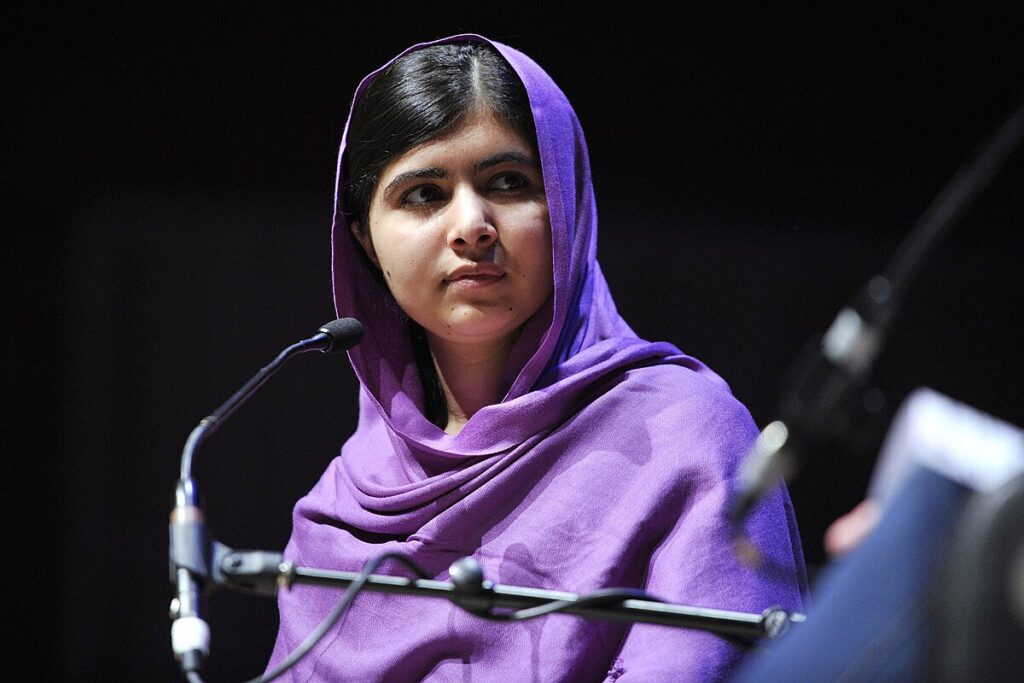
72. Malala Yousafzai —Pakistan
Malala Yousafzai is an education activist and Nobel Peace Prize laureate, recognized for advocating girls’ education under Taliban rule. Passionate about education, human rights, and equality, her courage and public voice led some extremists to frame her as “mad” or rebellious. Her activism demonstrates remarkable bravery, intellect, and commitment to social justice.
73. Benazir Bhutto —Pakistan
Benazir Bhutto was the first woman to lead a Muslim-majority country as Prime Minister of Pakistan. Passionate about governance, democracy, and social reform, her assertive leadership and political boldness were sometimes framed as “mad” or reckless by opponents, though her career reflected intelligence, resilience, and a commitment to progressive change.
74. Indira Gandhi —India
Indira Gandhi was the first female Prime Minister of India, recognized for her political leadership and nation-building efforts. Passionate about governance, policy, and international affairs, her decisive and sometimes controversial actions led critics to label her “mad” or authoritarian, though her influence shaped modern Indian politics.
75. Golda Meir —Israel
Golda Meir was Israel’s first female Prime Minister, known for her pragmatic leadership and diplomatic skill. Passionate about politics, statecraft, and social welfare, her toughness and decisive policies led some detractors to label her “mad” or overly harsh, though her strategic vision and dedication to her country were widely acknowledged.
76. Eva Perón —Argentina
Eva Perón, known as Evita, was the First Lady of Argentina and a champion of labor rights and women’s suffrage. Passionate about social justice, philanthropy, and political activism, her influence and public visibility led critics to label her “mad” or manipulative, though her work transformed social policy and empowered marginalized communities.
77. Clara Zetkin —Germany
Clara Zetkin was a socialist politician and feminist activist, known for advocating women’s rights and labor reform. Passionate about political equality, suffrage, and social justice, her radical ideas led authorities and opponents to label her “mad” or extreme, though her strategy and intellectual rigor advanced women’s and workers’ movements.
78. Rosa Luxemburg —Poland / Germany
Rosa Luxemburg was a Marxist theorist, revolutionary, and activist, recognized for her writings and leadership in socialist movements. Passionate about social justice, political reform, and equality, her radical activism led some to call her “mad,” yet her intellect, courage, and strategic thinking were foundational to revolutionary theory.
79. Harriet Jacobs —United States
Harriet Jacobs was an abolitionist and author, known for her memoir Incidents in the Life of a Slave Girl. Passionate about freedom, education, and advocacy, her outspoken critique of slavery and survival under extreme oppression led some to label her “mad,” though her courage, insight, and literary skill were undeniable.
80. Sojourner Truth —United States
Sojourner Truth was an abolitionist and women’s rights activist, celebrated for her speeches and advocacy. Passionate about justice, equality, and human rights, her directness and bold public presence led some contemporaries to label her “mad,” though her intellect, eloquence, and leadership had lasting social impact.
81. Nawal El Saadawi —Egypt
Nawal El Saadawi was a writer, physician, and feminist activist, known for challenging patriarchal structures in Egypt. Passionate about women’s rights, literature, and social reform, her outspoken critique of societal norms led authorities and critics to label her “mad,” though her courage, intellect, and activism inspired generations.
82. Taslima Nasrin —Bangladesh
Taslima Nasrin is a writer, physician, and human rights activist, known for her outspoken critiques of religious fundamentalism and advocacy for women’s rights. Passionate about literature, secularism, and gender equality, her fearless writing and activism have led authorities and opponents to label her “mad” or blasphemous, though her work reflects courage, intellectual rigor, and a commitment to social justice.
83. Wangari Maathai —Kenya
Wangari Maathai was an environmentalist, activist, and Nobel Peace Prize laureate, known for founding the Green Belt Movement. Passionate about ecology, women’s empowerment, and social justice, her activism challenged political authorities, who at times dismissed her as “mad” or disruptive. Her work reflected vision, resilience, and a commitment to sustainable change.
84. Chimamanda Ngozi Adichie —Nigeria
Chimamanda Ngozi Adichie is a novelist, essayist, and feminist thinker, known for works like Half of a Yellow Sun. Passionate about literature, feminism, and cultural critique, her outspoken views on gender and society have sometimes been labeled “mad” or radical by detractors, though her writings demonstrate insight, intellect, and cultural influence.
85. Tsitsi Dangarembga —Zimbabwe
Tsitsi Dangarembga is a novelist, filmmaker, and activist, recognized for her works addressing colonialism, gender, and social justice. Passionate about literature, film, and activism, her critiques of political and social systems have led some authorities to label her “mad,” while her work reflects courage, intelligence, and moral conviction.
86. Yaa Asantewaa —Ghana
Yaa Asantewaa was a queen mother and military leader of the Ashanti Empire, famous for leading the War of the Golden Stool against British colonial forces. Passionate about leadership, justice, and her people’s sovereignty, her defiance and courage were sometimes framed as “madness” by colonial authorities, though her legacy reflects strategic brilliance and heroism.
87. Queen Nzinga —Angola
Queen Nzinga was a ruler of the Ndongo and Matamba kingdoms, known for resisting Portuguese colonization. Passionate about diplomacy, military strategy, and protecting her people, her bold actions led some contemporaries to label her “mad” or ruthless, yet she demonstrated exceptional intelligence, leadership, and resilience.
88. Murasaki Shikibu —Japan
Murasaki Shikibu was a novelist, poet, and lady-in-waiting, best known for writing The Tale of Genji. Passionate about literature, poetry, and court culture, her deep introspection and literary innovation were sometimes misunderstood, and she may have been considered “eccentric” or “mad” by contemporaries, though her works are masterpieces of world literature.
89. Sei Shōnagon —Japan
Sei Shōnagon was a court lady, writer, and poet, famed for The Pillow Book. Passionate about literature, observation, and courtly life, her wit, candor, and sharp social commentary could be perceived as unconventional or “mad,” yet her writings reveal intellect, artistic skill, and acute social insight.
90. Ban Zhao —China
Ban Zhao was a historian, scholar, and advisor, known for completing the Book of Han and writing Lessons for Women. Passionate about scholarship, history, and education, her intellectual authority as a woman led some to view her as unusual or “mad,” though her influence in Chinese historiography and education was profound.
91. Empress Dowager Cixi —China
Empress Dowager Cixi was the de facto ruler of China for decades during the Qing dynasty. Passionate about governance, political strategy, and consolidating power, her assertive rule and reforms were often criticized and framed as “mad” or manipulative, though she effectively maintained authority and navigated a complex political landscape.
92. Lakshmibai, Rani of Jhansi —India
Lakshmibai was a queen and military leader, renowned for her role in the Indian Rebellion of 1857. Passionate about leadership, defense of her kingdom, and justice, her boldness and martial skill led some to label her “mad” or unruly, though her courage, strategy, and heroism are celebrated to this day.
93. Begum Rokeya —India / Bangladesh
Begum Rokeya was an educationist, feminist, and social reformer, known for advocating women’s literacy and empowerment. Passionate about education, gender equality, and social reform, her radical ideas challenged traditional norms, leading some to label her “mad,” though her work was strategic, visionary, and transformative.
94. Qiu Jin —China
Qiu Jin was a revolutionary, feminist, and poet, known for advocating women’s rights and opposing the Qing dynasty. Passionate about political reform, education, and social justice, her activism and defiance of traditional gender roles led authorities to label her “mad,” while her courage and intellect inspired generations of reformers.
95. He Zhen —China
He Zhen was a feminist, anarchist, and writer, recognized for her critiques of patriarchy and social inequality. Passionate about women’s liberation, equality, and social reform, her radical ideas were often labeled “mad” by contemporaries, yet her writings reflected deep intellectual rigor and strategic thinking.
96. Artemisia I of Caria —Ancient Caria
Artemisia I was a queen and naval commander during the Greco-Persian Wars, celebrated for her strategic skill and leadership. Passionate about governance, military strategy, and protecting her kingdom, her boldness led some historians to portray her as “mad” or ruthless, though her accomplishments demonstrate intelligence, courage, and tactical brilliance.
97. Cleopatra VII —Egypt
Cleopatra VII was the last pharaoh of ancient Egypt, famed for her political acumen, diplomacy, and cultural influence. Passionate about governance, alliances, and preserving her kingdom, her ambition and charm were often labeled “mad” or manipulative by critics, though her intelligence, strategy, and leadership remain legendary.
98. Hatshepsut —Egypt
Hatshepsut was a pharaoh of Egypt who established a prosperous reign and monumental building projects. Passionate about governance, architecture, and trade, she rose to unprecedented heights as a female ruler, prompting some to question her sanity, yet her effective leadership and legacy reflect wisdom and vision.
99. Heloísa —France
Heloísa was a scholar, abbess, and writer, known for her correspondence with philosopher Peter Abelard. Passionate about education, theology, and intellectual debate, her unconventional relationship and strong opinions led some to label her “mad,” though her letters reveal intelligence, eloquence, and emotional depth.
100. Boudica —Britain
Boudica was the queen of the Iceni tribe who led a revolt against Roman occupation in ancient Britain. Passionate about justice, sovereignty, and protecting her people, her fierce military leadership and defiance of Roman authority were portrayed by Roman historians as irrational or “mad.” In reality, she was a strategic and courageous leader whose legacy symbolizes resistance and female power.
101. Elizabeth Packard —United States
Elizabeth Packard was a social reformer, writer, and advocate for women’s rights, renowned for her courageous challenge to unjust mental health practices. Passionate about religion, social reform, and women’s autonomy, she was wrongfully institutionalized by her husband in 1860 for holding different religious beliefs. Labeled “mad” by authorities and her contemporaries simply for dissenting, she used her experience to campaign for legal reforms that protected the rights of married women and the institutionalized mentally ill.
102. Mary Tudor —England
Mary Tudor, also known as Mary I of England, was the queen who sought to restore Catholicism after her father, Henry VIII, established the Church of England. Passionate about religion, governance, and dynastic stability, her fervent efforts to reassert Catholic authority led to the persecution of Protestants, earning her the nickname “Bloody Mary.” Her intense religiosity and uncompromising policies led some contemporaries and later historians to label her “mad” or fanatical. However, her actions reflected a combination of deep religious conviction, political strategy, and the pressures of ruling a divided kingdom.
103. Anne Sexton —United States
Anne Sexton was a poet renowned for her confessional style, openly exploring themes of mental illness, depression, and personal trauma. Passionate about literature, psychology, and self-expression, she wrote with raw emotional intensity that broke societal taboos around women’s inner lives. Her struggles with depression and suicide attempts led some contemporaries to label her “mad,” though her disciplined craft, literary achievements, and profound influence on modern poetry reveal a deeply thoughtful and courageous intellect.
104. Empress Matilda —England
Empress Matilda was a medieval ruler and claimant to the English throne during the 12th century, known for her fierce determination and political ambition. Passionate about governance, dynastic succession, and asserting her authority, she challenged societal norms that restricted women’s rule. Her relentless pursuit of power led some contemporaries and chroniclers to label her “mad” or overly ambitious, though her strategic acumen and leadership demonstrated remarkable resilience and capability in a turbulent era.
Sources
- File:Malala Yousafzai.jpg – Wikimedia Commons
- History of Gaslighting: Then vs. Now | Mission Momplex
- Seven of the Most Maligned Women in History | by Houghton Mifflin Harcourt | Medium
- 5 Women History Says Were “Crazy” | How Does She
- A Historical Lineage of Sad and Mad Women | SpringerLink
- Hysterical Victorian Women – Historic UK
- Female hysteria: The history of a controversial ‘condition’
- Words That Dismiss Women: From Hysteria to Modern Slang | Mission Momplex

Recent Posts
Starting a Business While Welcoming a New Baby: Finding Your Balance in the Chaos
We’re excited to feature today’s guest post from Josh Moore of Diaper Dads! Josh started Diaper Dads because he knows parenting is a learning curve—and sometimes you just need a little backup...
We created this list of family-friendly restaurants in South Seattle to help our neighbors and readers discover some of the best local spots in our area. Each restaurant was carefully chosen for its...